World · Bangladesh Bureau
Resort Development Accelerates on St. Martin's Island Amid Forest Loss
Construction of new resorts on St. Martin's Island is accelerating as developers clear keya forests and coconut plantations to make way for tourism infrastructure. Environmental advocates have raised concerns about the rapid transformation of Bangladesh's only coral island.
LSN Bangladesh ·
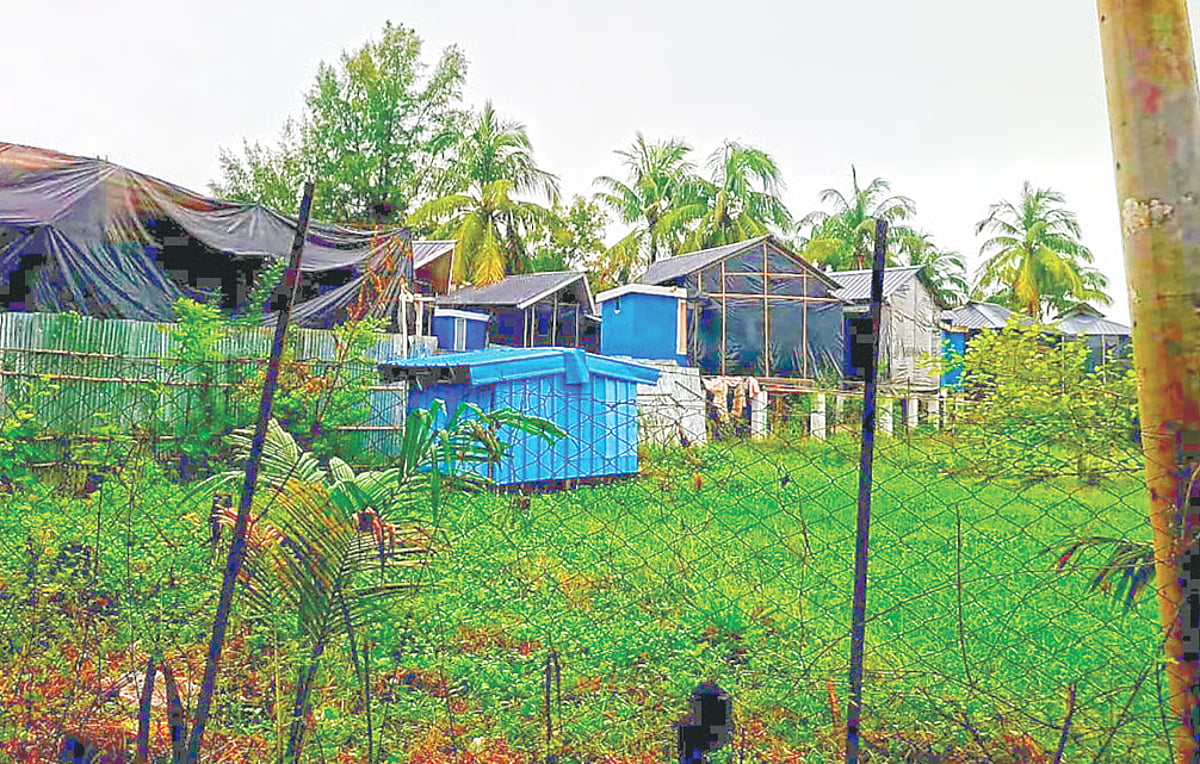
Development pressure is intensifying on St. Martin's Island, Bangladesh's sole coral island destination, with multiple resort projects underway following the clearance of substantial forest cover and coconut groves. The pace of construction signals a significant shift in land use on the small island, which has become increasingly attractive to tourism investors in recent years.
The clearing of keya trees—native forest vegetation characteristic of the island's ecosystem—alongside established coconut plantations has altered the island's landscape considerably. Developers have prioritized infrastructure for accommodation and leisure facilities, transforming formerly vegetated areas into construction sites for hotels and resorts.
The island's growing appeal to the tourism industry reflects broader trends in Bangladesh's development sector, where coastal and island destinations are being positioned as key revenue generators. However, the rapid pace of construction has raised questions about environmental sustainability and the long-term impact on the island's delicate ecosystem.
St. Martin's Island, located off Cox's Bazar district, remains a critical ecological zone with unique biodiversity. Environmental observers have expressed concern that accelerated resort development could threaten the island's natural heritage and the coral reef systems that define its marine environment. The balance between economic development and environmental conservation remains a central challenge for policymakers overseeing the island's future.