World · India Bureau
Restored wetland attracts millions of fish, sonar study shows
A reconnected 25-acre wetland at Lake Erie has become a thriving habitat for aquatic species, with advanced sonar technology tracking over 3.4 million fish movements. The findings offer critical insights for wetland restoration efforts across the Great Lakes region.
LSN India ·
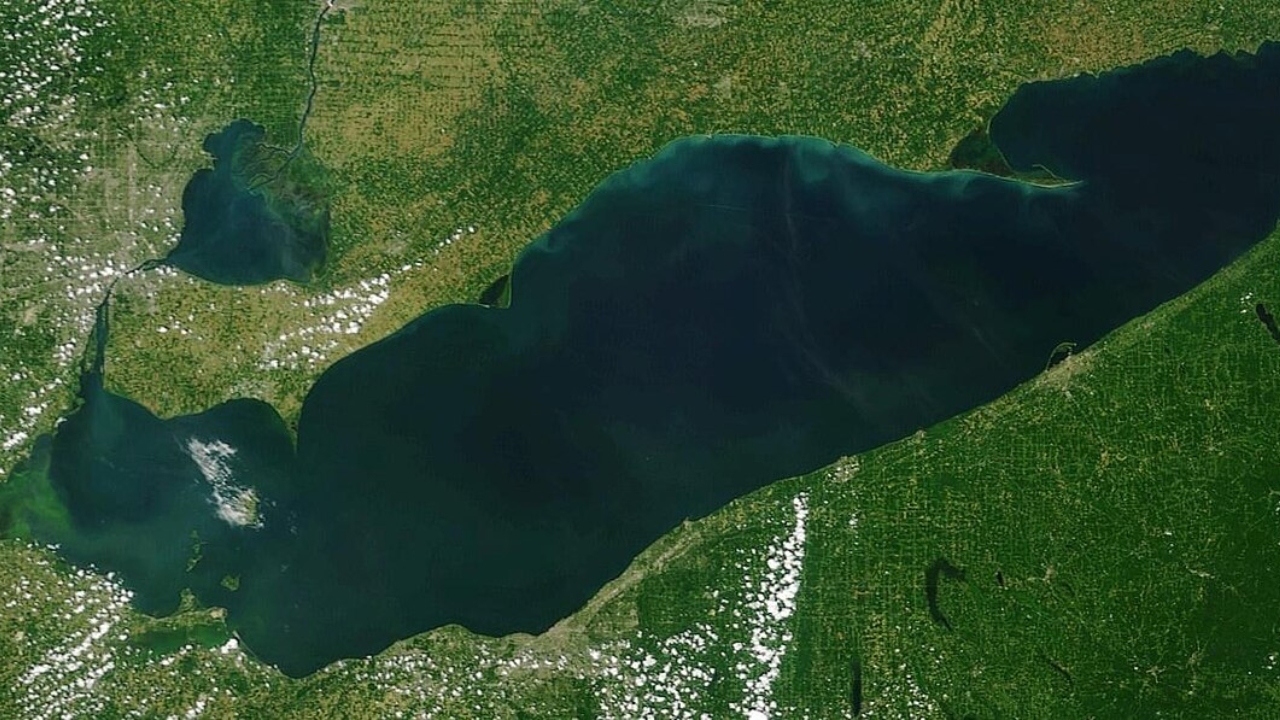
High-resolution sonar monitoring has documented the remarkable recovery of a Lake Erie wetland following its reconnection to the larger ecosystem, revealing sustained fish activity across the restored 25-acre site. The technology recorded more than 3.4 million fish detections as species moved into and out of the habitat, demonstrating the immediate ecological value of reconnection projects.
The research tracked fish behaviour across 24-hour cycles, revealing distinct patterns of activity between daytime and nocturnal hours. These temporal variations in fish movement suggest that aquatic species are fully utilizing the restored wetland environment, adapting their feeding and spawning behaviours to the newly available habitat.
The findings carry significant implications for wetland management strategies across the Great Lakes system. As freshwater ecosystems face mounting pressures from development and environmental degradation, the Lake Erie study provides evidence that strategic reconnection of fragmented habitats can rapidly restore ecological function and support thriving fish populations.
Resource managers are now utilizing the detailed sonar data to refine approaches to large-scale wetland restoration. The research underscores how technological monitoring can inform evidence-based decisions about ecosystem rehabilitation, offering a model for similar conservation projects throughout the region.