World · India Bureau
Restored Wetlands Trigger Dramatic Bird Population Surge in California
A major ecological restoration project in California has yielded remarkable results, with bird populations surging across revitalized marshlands. The five-year study demonstrates how reinstating natural tidal flows can transform degraded habitats into thriving ecosystems.
LSN India ·
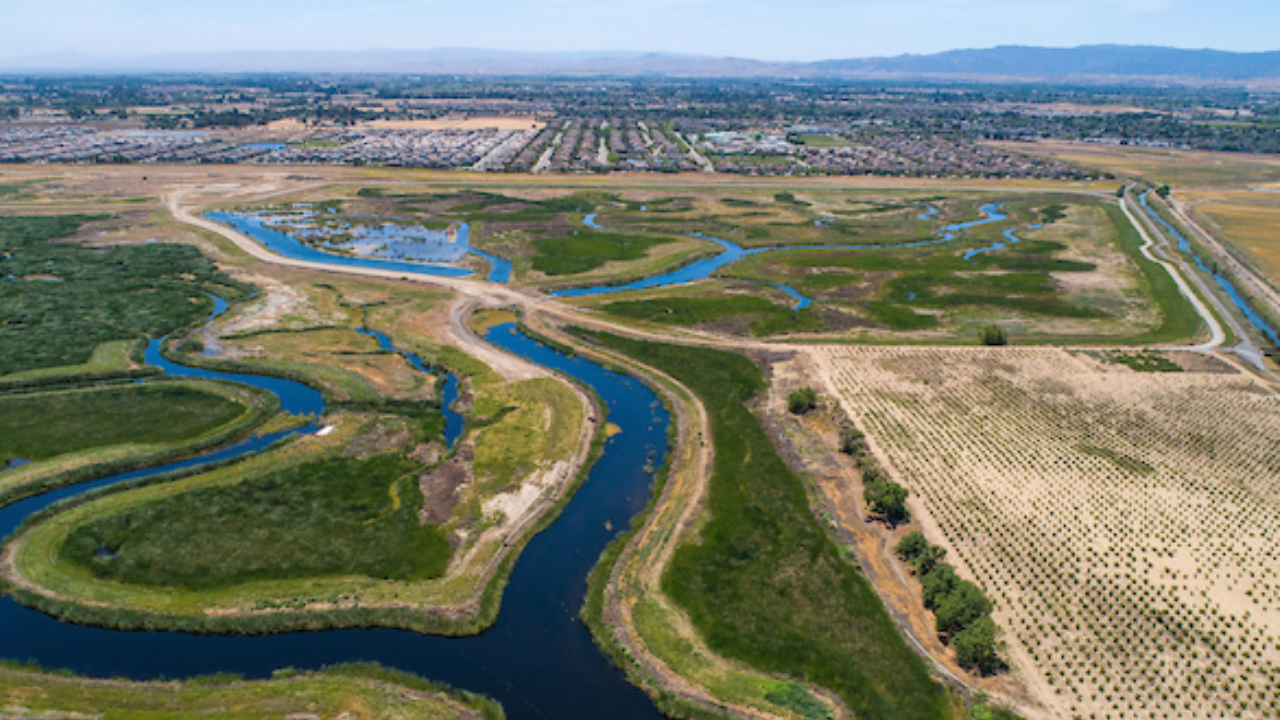
A comprehensive restoration ecology initiative focused on California's Dutch Slough wetlands has produced striking evidence of ecological recovery, with bird surveys conducted between 2020 and 2025 documenting significant population increases among marsh-dwelling species. The project, which converted former agricultural land back into functioning wetland habitat, employed two primary ecological interventions: replanting native vegetation and reestablishing natural tidal flow patterns that had been disrupted by decades of agricultural use.
The Marsh Wren emerged as a flagship species in the restoration's success story, with researchers recording a notable surge in population density across the regenerated wetlands. Beyond this single species, comprehensive avian surveys revealed that overall bird diversity expanded substantially as ecological conditions improved, with multiple marsh-dependent bird species demonstrating increased abundance and distribution patterns throughout the restored areas.
While the restoration initiative produced predominantly positive outcomes, researchers noted that not all species responded uniformly to the environmental changes. Some bird populations experienced declines, reflecting the complex and sometimes unpredictable dynamics of ecological restoration. Nevertheless, the overall biodiversity metrics indicated that the restored wetlands now support substantially more diverse and abundant bird communities compared to the degraded agricultural landscape they replaced.
The Dutch Slough findings add to growing scientific evidence supporting wetland restoration as an effective strategy for reversing biodiversity loss in degraded ecosystems. The project underscores how strategic intervention—combining native habitat replanting with restoration of natural hydrological processes—can catalyze rapid ecological recovery and create conditions favorable for wildlife populations across multiple species.