World · India Bureau
Restricting protest zones undermines democratic right to dissent
Civil rights advocates argue that designating specific areas for protests effectively curtails citizens' fundamental right to peaceful assembly. The practice raises questions about whether constrained dissent can truly represent democratic expression.
LSN India ·
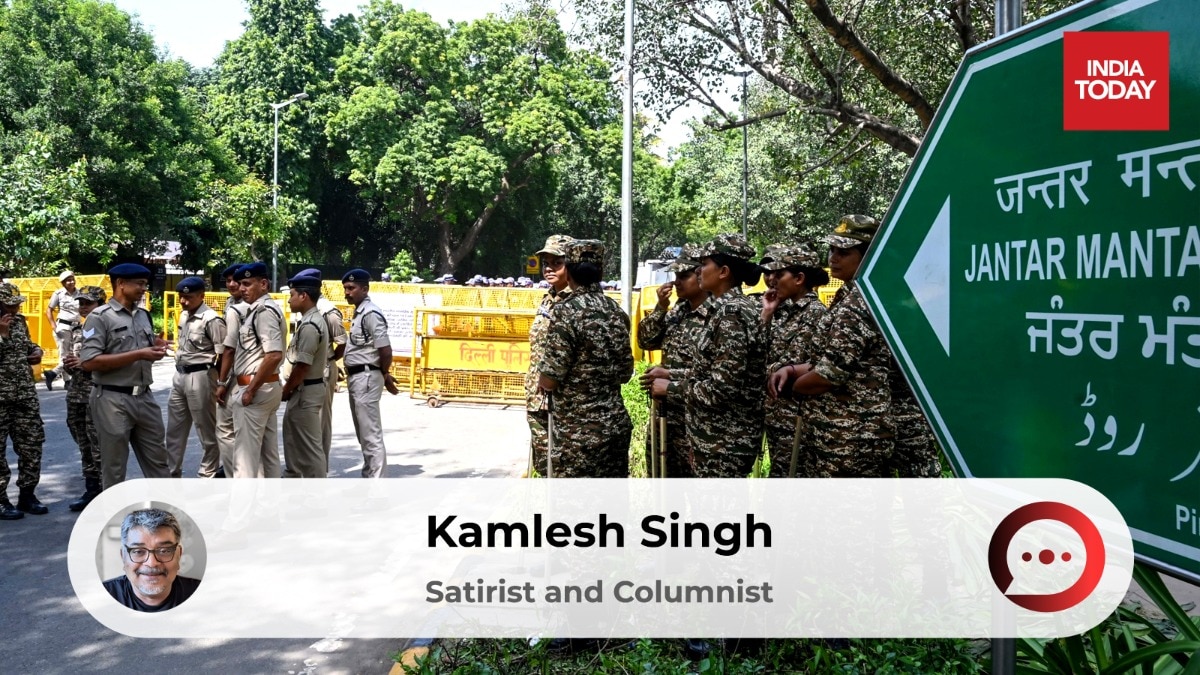
The concept of designated protest zones has emerged as a contentious issue in discussions around democratic freedoms across South Asia. Critics contend that restricting where citizens can voice their concerns paradoxically negates the very essence of protest, which historically derives its power from spontaneity, visibility, and the ability to be heard by decision-makers and the wider public.
Proponents of designated protest sites argue such arrangements maintain public order and safety. However, legal scholars and human rights observers point out that confining demonstrations to remote or pre-selected locations often renders them ineffective and invisible to those in power or the general population. When protests are physically separated from the centers of governance or public thoroughfares, their impact as a form political expression is substantially diminished.
The tension reflects a broader challenge facing democracies: balancing security concerns with the protection of constitutionally guaranteed freedoms. International human rights frameworks emphasize that restrictions on assembly must be necessary, proportionate, and narrowly tailored—not blanket prohibitions that make meaningful dissent practically impossible.
Activists and legal experts argue that truly democratic societies must allow protests to occur where they can achieve their communicative purpose, subject only to reasonable time, place, and manner restrictions that do not entirely eliminate the right to be heard. The designation of protest zones, critics maintain, often functions as a mechanism to contain rather than accommodate legitimate democratic participation.