World · Singapore Bureau
Retention challenge: Singapore struggles to keep disabled workers employed
While hiring workers with disabilities has improved, Singapore faces persistent challenges in workplace integration and support systems that often lead to job departures. Workplace dynamics and inadequate accommodations remain key obstacles to sustaining meaningful employment.
LSN Singapore ·
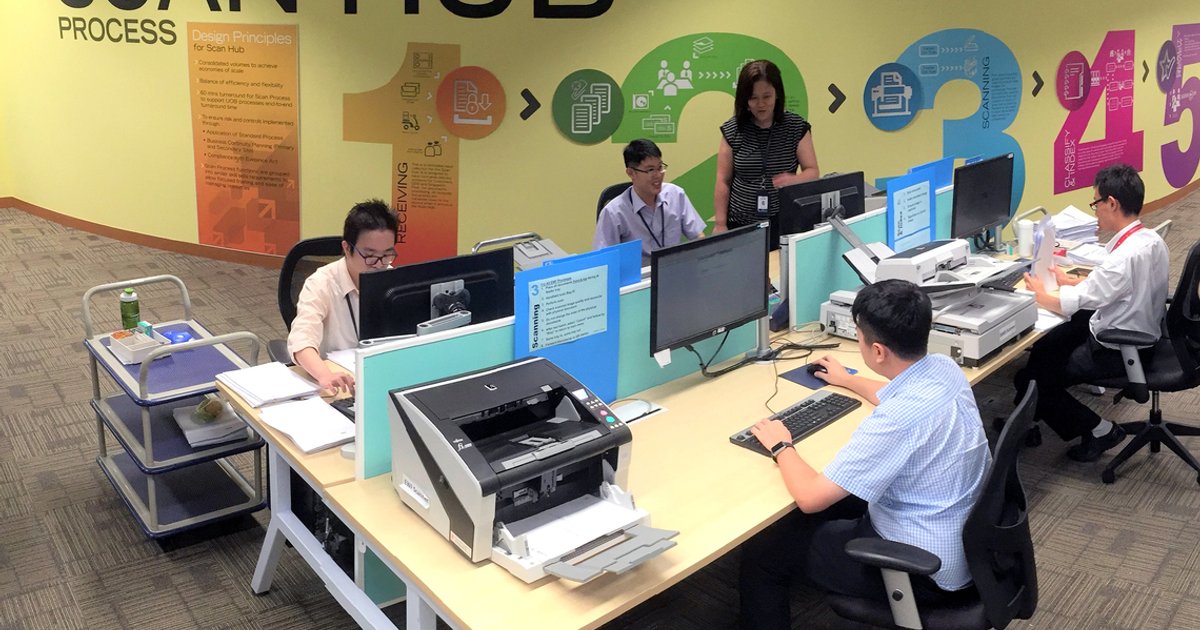
Singapore has made progress in recruiting workers with disabilities, yet retention remains a significant challenge for employers and policymakers alike. Despite legislative frameworks encouraging inclusive hiring, many workers with disabilities struggle to maintain employment due to workplace integration issues and insufficient support structures.
The obstacles extend beyond initial recruitment. Workers often encounter difficulties related to workplace culture, colleague attitudes, and the physical or procedural adjustments needed to accommodate their specific needs. Inadequate accommodations—ranging from ergonomic modifications to flexible work arrangements—frequently contribute to job dissatisfaction and early departures.
Employers cite varying reasons for retention difficulties, including gaps in training programmes, limited understanding of disability-related needs, and resource constraints. Meanwhile, workers report experiencing social isolation, lack of career progression opportunities, and insufficient communication from management regarding available support.
Experts argue that sustained employment requires a comprehensive approach beyond compliance-focused hiring. This includes ongoing workplace training, mentorship programmes, regular accommodation reviews, and fostering inclusive workplace cultures where workers with disabilities feel valued and supported in their career development.
As Singapore continues its push toward more inclusive employment practices, stakeholders emphasise that long-term success depends on addressing not just hiring numbers, but the systemic and cultural factors that determine whether workers with disabilities can thrive in their positions.