Business · Singapore Bureau
Retired Singaporeans Find Purpose Supporting Vulnerable Peers
A growing cohort of older Singaporeans are dedicating their retirement years to providing companionship and care for elderly peers facing isolation and hardship. These volunteer seniors are filling critical gaps in community support networks across the island.
LSN Singapore ·
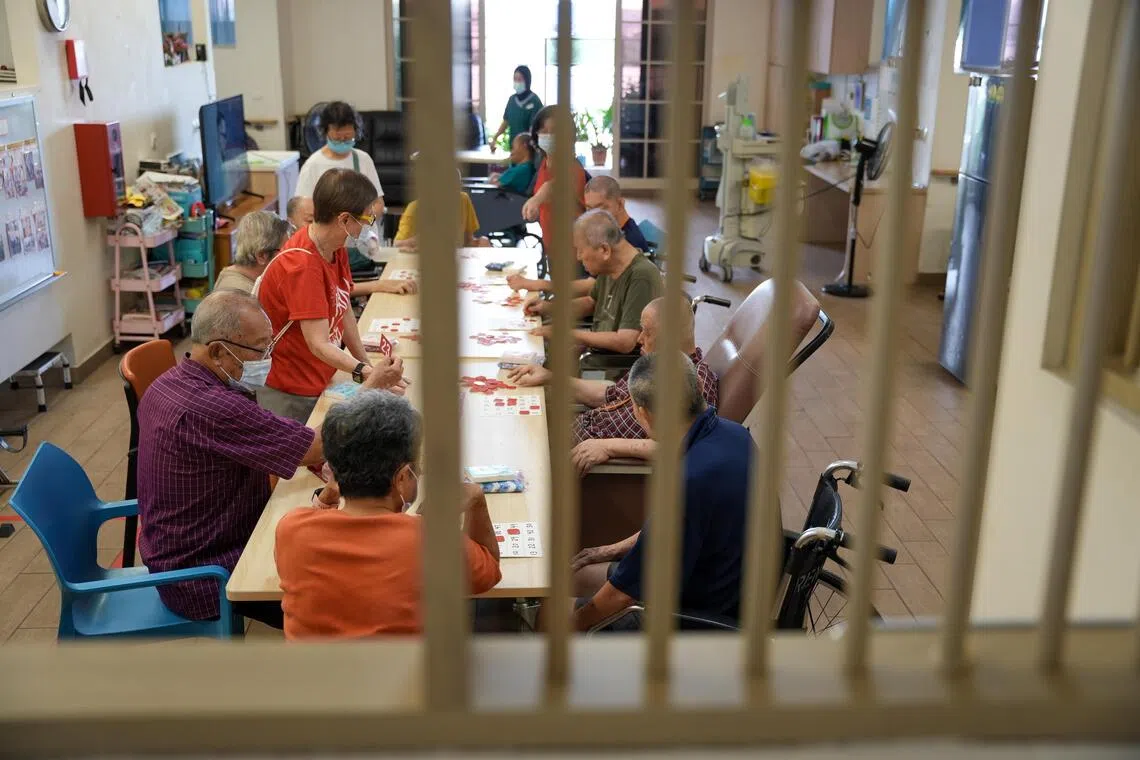
As Singapore's population ages, a quiet movement has emerged among retirees who are channeling their experience and time into supporting vulnerable members of their generation. These older volunteers are addressing a pressing social need—the isolation and neglect experienced by many elderly residents who lack family support or adequate care networks.
The initiatives reflect broader demographic challenges facing the city-state, where an expanding elderly population is increasingly strained by family structures stretched across multiple countries and competing work commitments. Community organizations and social service agencies have begun mobilizing retired seniors as a sustainable resource, recognizing their unique ability to connect with peers and understand the specific challenges of aging in Singapore's fast-paced environment.
Volunteer seniors engage in various roles, from regular companionship visits and assistance with daily tasks to helping navigate healthcare systems and social services. Their work often addresses emotional and practical needs that fall between cracks in formal care provision, offering elderly beneficiaries both tangible support and the psychological benefits of meaningful human connection.
Experts and social workers point to this phenomenon as both a testament to community resilience and evidence of systemic care gaps that require broader policy attention. As Singapore continues planning for an aging society, the contributions of retired volunteers are increasingly recognized as complementing—though not replacing—the need for comprehensive elderly care infrastructure and support systems.
The trend underscores a growing recognition that solutions to elder care cannot rely solely on family or institutional frameworks, but require active participation from communities themselves.