World · India Bureau
Rice Water Emerges as Natural Fertiliser for Indoor Plants
Instead of discarding water used to rinse or boil rice, Indian gardeners can harness it as a nutrient-rich fertiliser for houseplants. Experts recommend the practice for several popular indoor species, citing its benefits and proper application methods.
LSN India ·
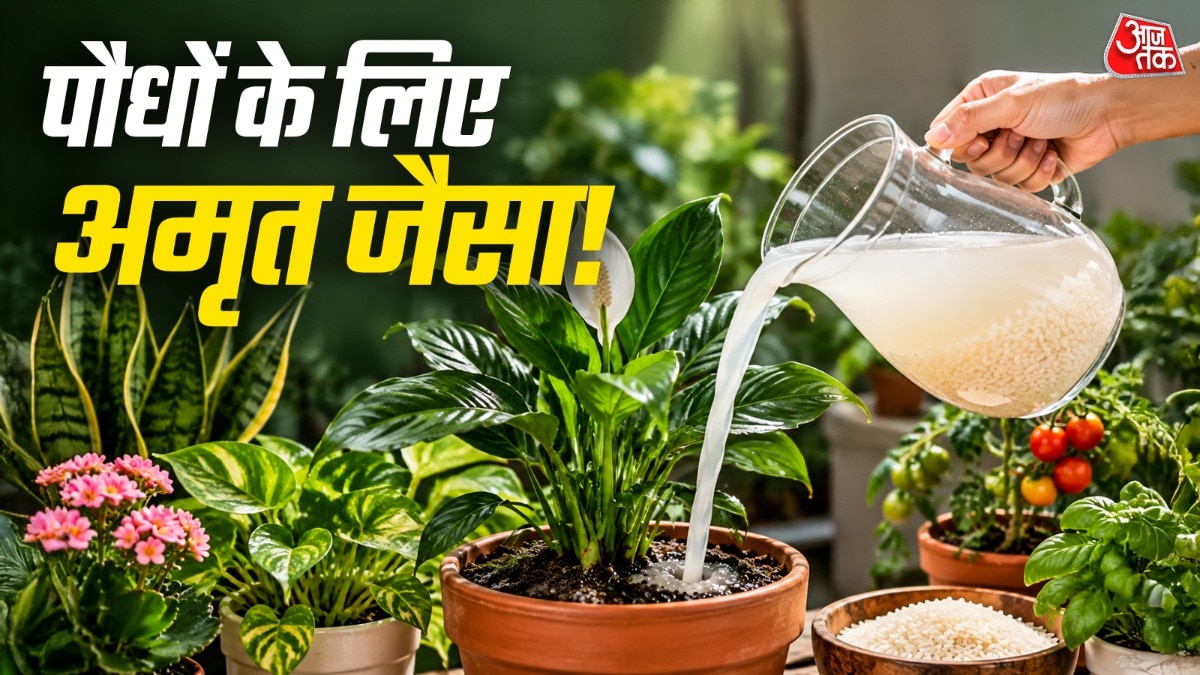
Rice water, the liquid byproduct of cleaning or cooking rice, contains essential nutrients including nitrogen, phosphorus, and potassium that support plant growth. Rather than emptying this water down the drain, households can repurpose it to nourish indoor greenery at minimal cost and with minimal waste.
The practice proves particularly beneficial for seven commonly cultivated houseplants found in Indian homes. Peace lilies, money plants, and snake plants rank among the species that respond well to rice water treatment. Other suitable plants include pothos, spider plants, areca palms, and ZZ plants, all of which thrive when supplemented with this natural nutrient source.
Horticulturists recommend allowing rice water to cool completely before application to avoid damaging delicate roots. The solution should be used in its natural, unsalted form—water leftover from rinsing raw rice or cooled water in which rice was boiled works equally well. Application typically occurs once or twice weekly, depending on plant type and seasonal conditions.
Experts caution against overuse, noting that excessive application can lead to fungal growth or nutrient imbalances in soil. Moderation and consistent observation of plant response ensure optimal results. The practice aligns with growing interest in sustainable, economical gardening methods across Indian households seeking to reduce waste while maintaining healthy indoor gardens.
For best outcomes, gardeners should monitor their plants' response to rice water treatment and adjust frequency based on visible growth patterns and soil moisture levels.