Politics · Pakistan Bureau
Rights body ICJ says Pakistan's 26th and 27th amendments amount to 'judicial capture'
A report by the Geneva-based International Commission of Jurists says Pakistan's top courts no longer meet international standards of independence and calls for the two amendments to be reviewed.
LSN Pakistan ·
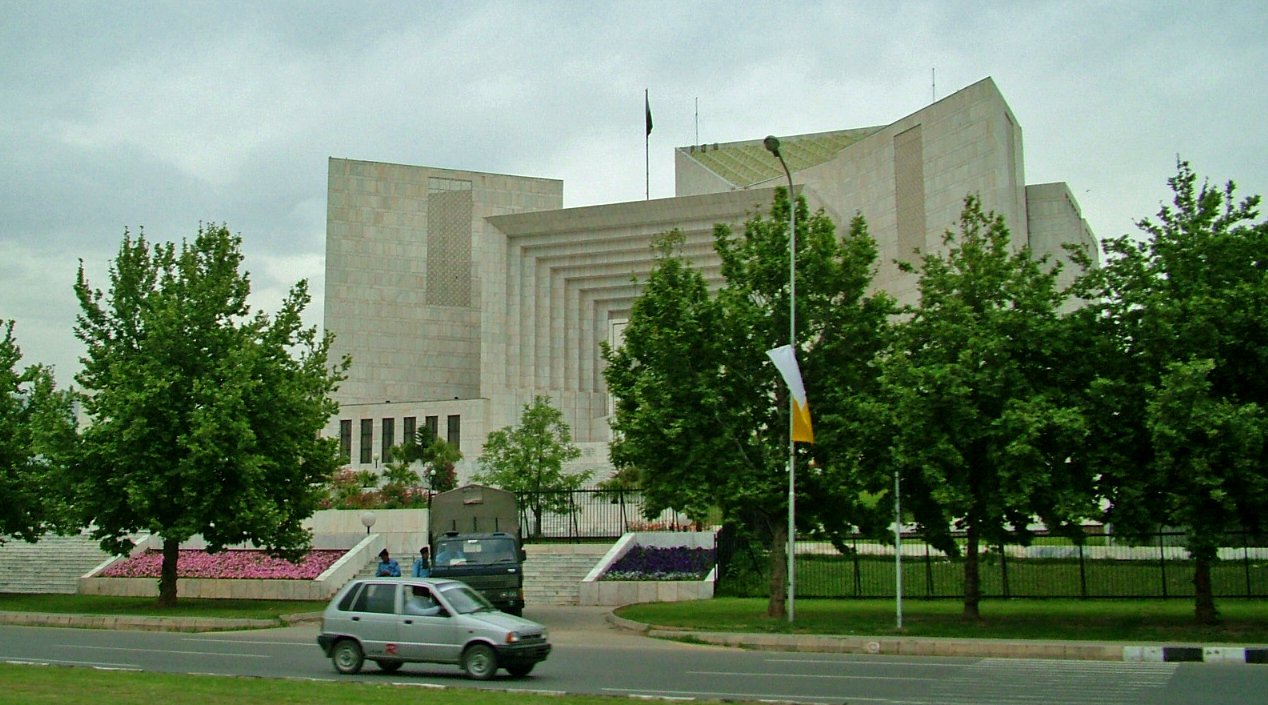
<p>The International Commission of Jurists (ICJ) said on Wednesday that two recent constitutional amendments have resulted in what it called "judicial capture" in Pakistan, leaving the country's highest courts without the institutional guarantees of independence required under international law.</p>
<p>The Geneva-based legal rights group set out its findings in a report titled "Judicial Capture: Independence of the Judiciary in Pakistan after the 26th and 27th Constitutional Amendments", released a year after Parliament passed the 27th Amendment in November 2025.</p>
<p>The 26th Amendment, adopted in October 2024, created constitutional benches within the Supreme Court and the high courts and reshaped the Judicial Commission of Pakistan so that judges no longer hold a majority. The 27th Amendment went further, setting up a separate Federal Constitutional Court (FCC) to take over many of the Supreme Court's constitutional functions.</p>
<p>According to the ICJ, the FCC's chief justice and its first group of judges were appointed by the President on the Prime Minister's advice, meaning the new court's judges were chosen almost entirely by the executive. The report also criticises a provision allowing high court judges to be transferred between provinces without their consent and without clear criteria, as well as immunities granted under the 27th Amendment.</p>
<p>The ICJ said the cumulative effect of the changes was that the courts "no longer serve as a check on the executive or the Parliament", and that their role as a route to redress for victims of human rights violations was "seriously impaired". It said the FCC had used its powers to take over politically sensitive cases and had avoided deciding major constitutional questions on their merits.</p>
<p>The report acknowledged that the Supreme Court had at times encroached on the roles of Parliament and other institutions, and noted the government's stated aims of curbing judicial overreach and reducing case backlogs, Dawn reported. But it said those goals did not justify changes it described as "glaringly inconsistent" with Pakistan's obligations under the International Covenant on Civil and Political Rights.</p>
<p>The ICJ urged the government to carry out a comprehensive review of both amendments with broad public consultation, and to invite the UN Special Rapporteur on the independence of judges and lawyers for a country visit. It also called on the Judicial Commission to publish clear appointment criteria and reasons for each appointment, and to stop transferring judges without their consent.</p>
<p>There was no immediate government response to the report in the coverage reviewed by LSN.</p>