World · India Bureau
Rishikesh-Karnprayag Rail Project to Feature 12 Stations, 28 Tunnels
A 125-kilometre railway line connecting Rishikesh to Karnprayag will include 12 stations, 28 tunnels, and 57 major and minor bridges when completed. The project aims to enhance connectivity to the pilgrimage towns of Kedarnath and Badrinath while showcasing significant Himalayan engineering achievements.
LSN India ·
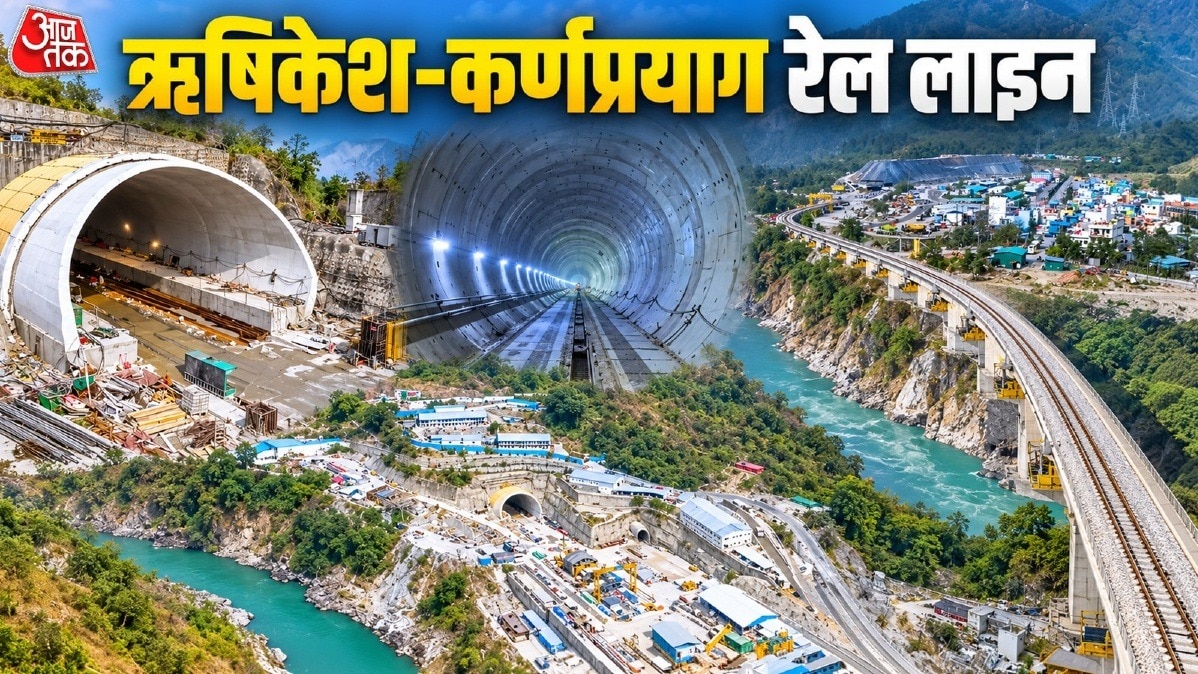
The proposed Rishikesh-Karnprayag railway corridor represents a major infrastructure undertaking across the challenging terrain of Uttarakhand, with ambitious specifications that reflect the complexities of mountain railway construction. The 125-kilometre line will serve as a critical transport link for the religiously significant pilgrimage destinations of Kedarnath and Badrinath, two of Hinduism's most sacred sites.
The project's engineering requirements underscore the technical challenges inherent in Himalayan rail development. The planned infrastructure includes 12 stations positioned along the route, 28 tunnels to navigate the mountainous topography, and 57 bridges—both large and small—to span river valleys and geological formations. Such extensive tunnelling and bridging requirements indicate the rugged nature of the corridor through the foothills and higher elevations of the region.
Beyond its religious and tourism significance, the railway project carries strategic implications for regional connectivity and economic development. The line is expected to improve accessibility to the Garhwal region, facilitate pilgrim movement, and potentially boost local commerce by reducing travel times between the plains and the hill stations. The project also aligns with broader national efforts to enhance transportation infrastructure across India's northern frontier regions.
The construction of such high-altitude rail infrastructure presents substantial engineering challenges, requiring specialised techniques for tunnel boring, bridge construction, and terrain stabilisation in geologically sensitive areas. The project's completion is anticipated to serve as a benchmark for similar Himalayan railway initiatives and demonstrate India's capacity for complex mountain rail engineering.