World · India Bureau
Rising ammonia levels in Yamuna pose threat to Delhi's water security
Elevated ammonia concentrations in the Yamuna River are complicating water treatment processes and raising concerns about the capital's drinking water supply. Experts warn that the pollutant makes it increasingly difficult for treatment plants to meet safety standards.
LSN India ·
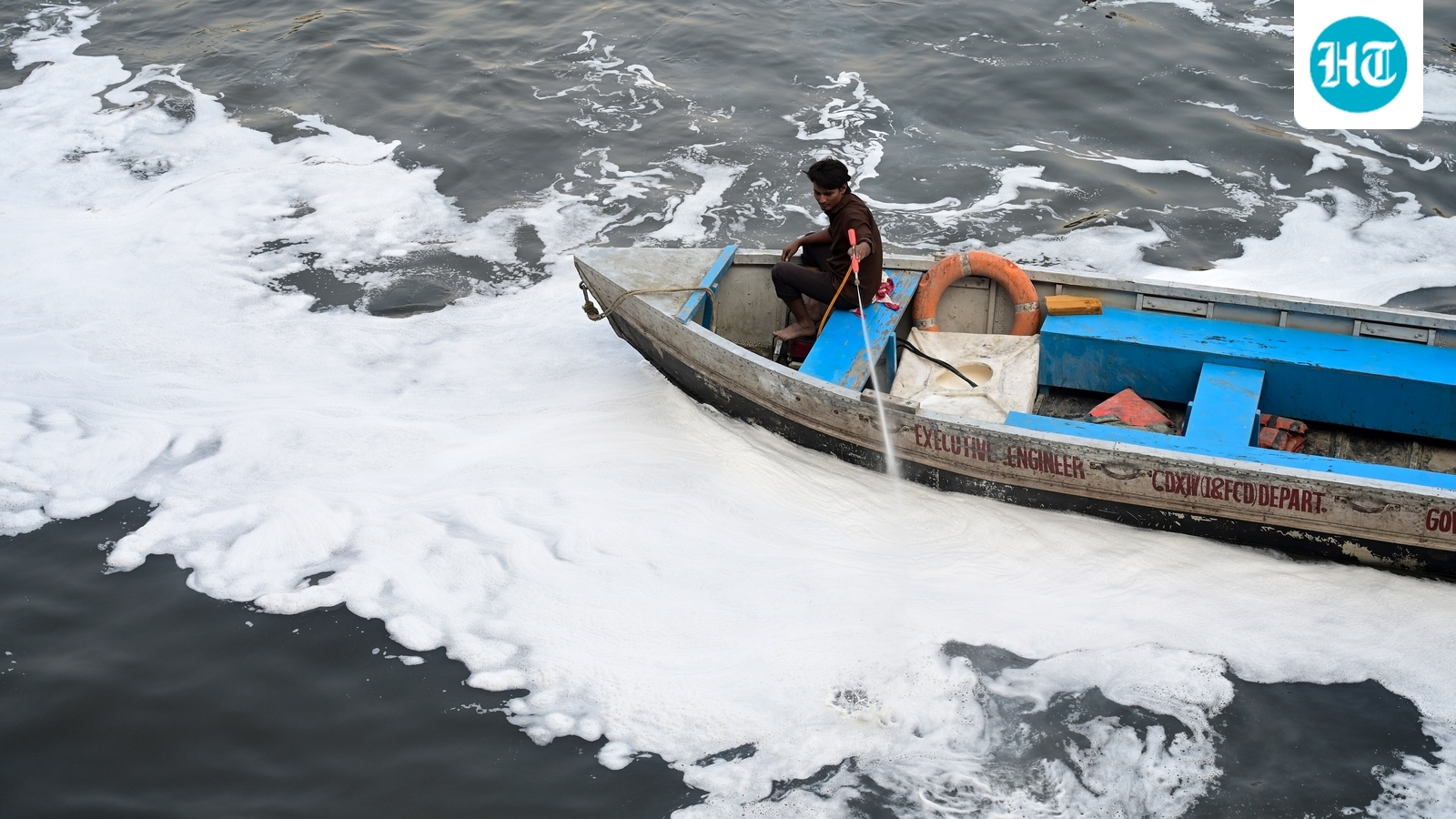
Delhi's water security faces a mounting challenge as ammonia levels in the Yamuna River continue to rise, threatening the city's drinking water infrastructure. The elevated concentrations indicate increased pollution in the river, which supplies a significant portion of the capital's water needs.
Ammonia contamination complicates the water treatment process considerably. Municipal water authorities must employ additional chemical interventions and extended processing times to reduce ammonia to acceptable levels for drinking water. These challenges strain existing treatment capacity and increase operational costs across the city's water supply network.
The presence of high ammonia concentrations typically signals organic pollution sources, including untreated sewage discharge and industrial effluent. As the Yamuna flows through densely populated urban areas, it receives substantial untreated waste contributions before reaching Delhi's major intake points.
Water treatment officials have emphasized the need for improved pollution control measures upstream and throughout the capital. Without intervention, the deteriorating water quality could necessitate upgraded treatment technologies or alternative water sourcing arrangements to maintain consistent supply to Delhi's residents.
The situation underscores broader environmental challenges facing India's rivers and the critical importance of strengthening pollution prevention and wastewater management systems to protect public health and urban water security.