World · Malaysia Bureau
Rising costs squeeze earnings for visually impaired busker Rodie
A once-regular performer at Kuala Lumpur's LRT stations faces mounting financial pressure as venue access dwindles and transport expenses escalate. The visually impaired musician's income has deteriorated as the economics of street performance become increasingly challenging.
LSN Malaysia ·
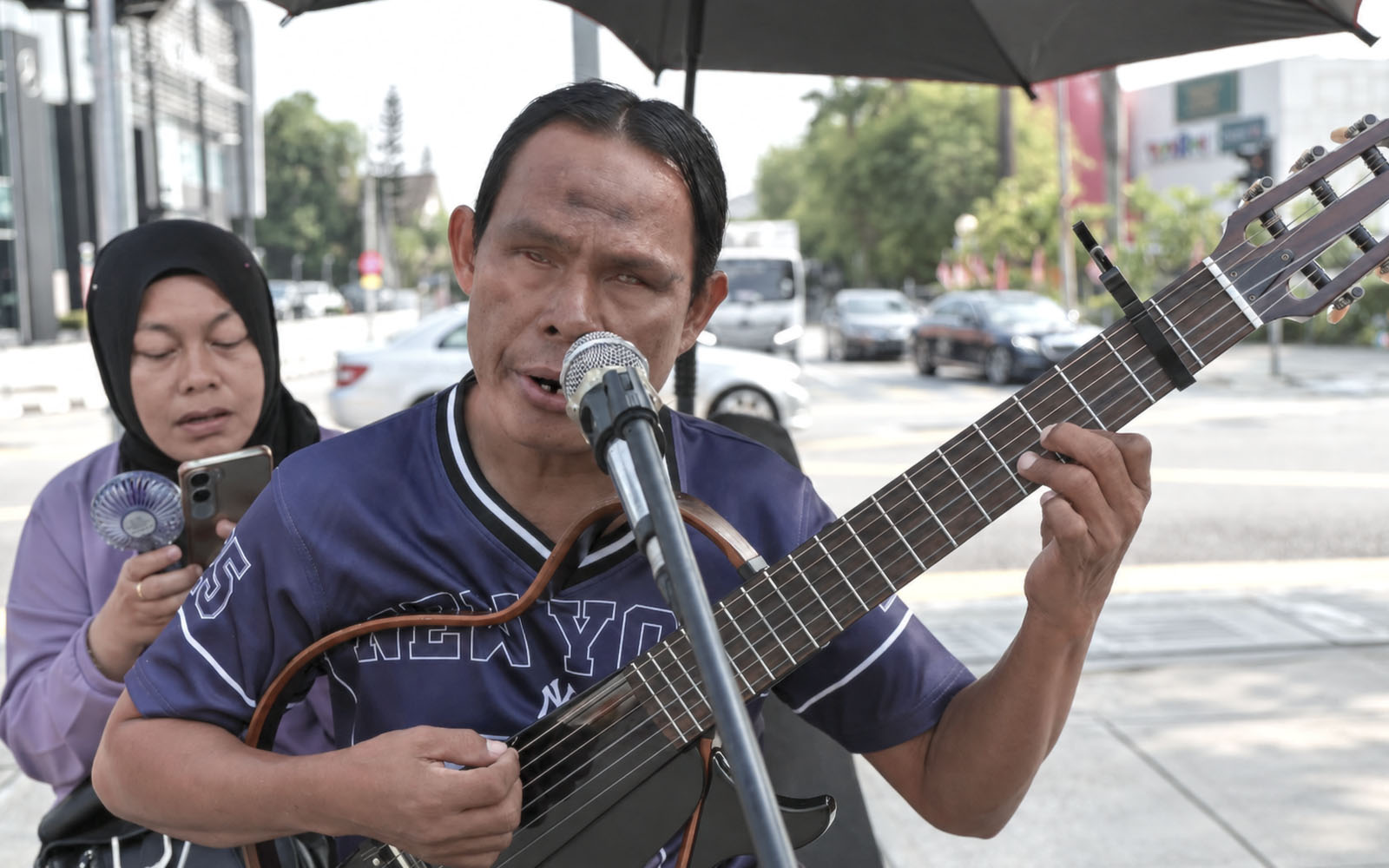
Rodie, a visually impaired busker who previously performed almost daily at LRT stations throughout Kuala Lumpur, is confronting a narrowing landscape for street musicians in the capital. What was once a reliable income stream has become increasingly precarious as the number of accessible performance venues has contracted.
The performer now faces a difficult arithmetic: rising public transport costs to reach potential busking locations are consuming a larger share of his already modest earnings. With fewer stations welcoming street performers and mobility expenses climbing, Rodie's daily take-home has declined significantly.
His situation underscores broader challenges facing informal economy workers in Malaysia's urban centres, where performers and street vendors navigate shifting regulations, reduced foot traffic in some areas, and the burden of higher operational costs. For musicians dependent on busking income, the economics have become less favourable.
The case highlights the precarious position of self-employed street performers who lack formal employment protections or stable income sources. As Kuala Lumpur continues to evolve, questions remain about how the city accommodates informal workers and whether there is sufficient support for vulnerable earners facing mounting barriers to their livelihoods.