Business · India Bureau
Rising costs test viability of India's expanding solar energy sector
Solar project developers across India are grappling with mounting cost pressures from domestic manufacturing, commodity inflation and currency headwinds, even as competitive bidding keeps tariffs suppressed. The squeeze is threatening the financial viability of renewable energy projects at a critical moment for the sector's growth.
LSN India ·
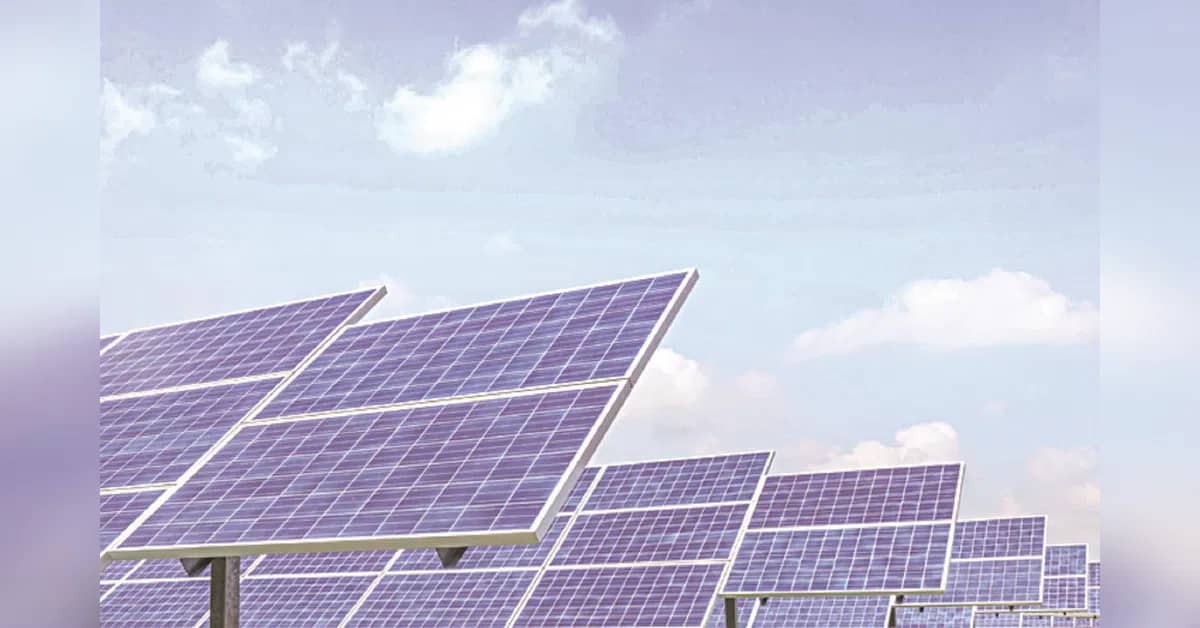
India's solar energy expansion is encountering a profitability challenge as developers face a sharp increase in project costs while competitive tender processes limit their ability to pass expenses to consumers. The dual pressure stems from higher prices for domestically manufactured solar cells, elevated commodity costs, and the weakening rupee—all combining to erode project margins in a sector already operating on thin returns.
The cost pressures reflect India's push to build domestic solar manufacturing capacity. While government policies aim to support local producers and reduce import dependence, the prices of Indian solar cells have climbed above internationally competitive levels. Combined with rising costs for balance-of-system components, infrastructure, and financing in a depreciating currency environment, developers are finding their project economics increasingly stretched.
Competitive auction-based tariff discovery, a hallmark of India's renewable energy procurement model, has created limited flexibility for developers to absorb these mounting costs. With bid prices already compressed in many regions, project returns are being squeezed from both sides—rising costs on one end and locked-in tariffs on the other.
The situation underscores a potential bottleneck in India's renewable energy growth trajectory. As the country targets massive capacity additions to meet clean energy goals, the financial stress on current projects could dampen developer interest in future bids unless cost dynamics shift or procurement mechanisms adjust to reflect changed input price realities.