Business · India Bureau
Rising UPI adoption paradoxically increases Indian cybercrime vulnerability
While digital payments have gained unprecedented trust among Indian consumers, a new report reveals an alarming paradox: those most confident in online banking and frequent UPI users face the highest risk of cybercrime victimisation.
LSN India ·
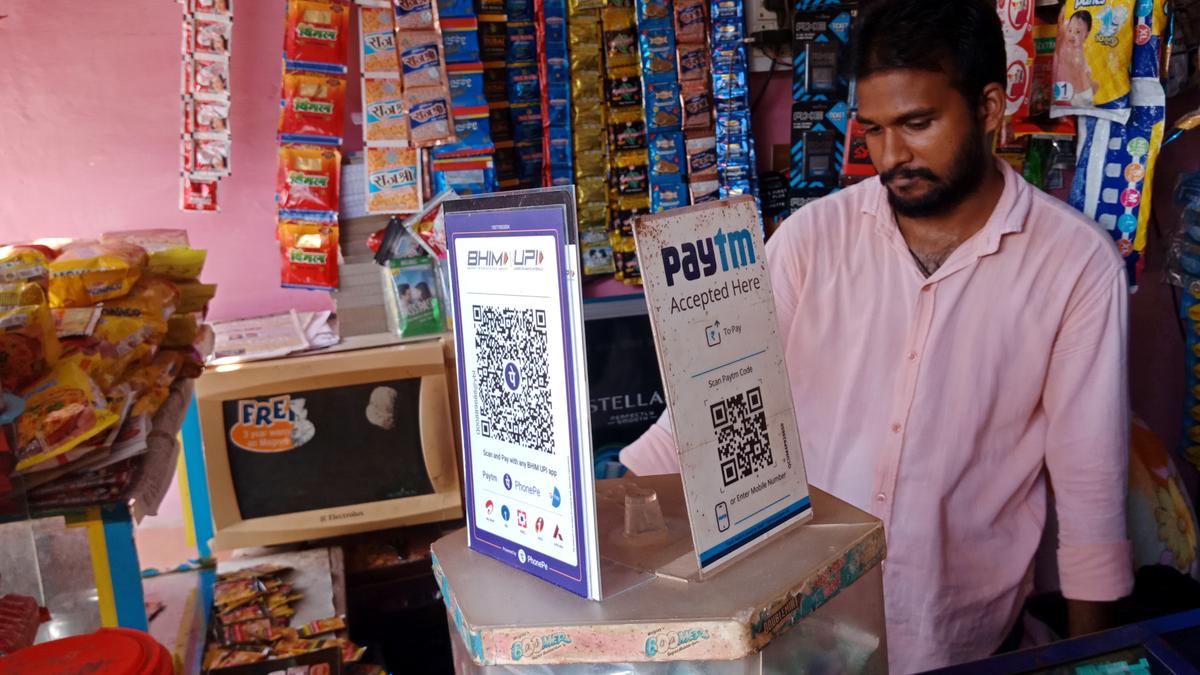
India's rapid embrace of digital payment systems, particularly the Unified Payments Interface, has fundamentally transformed consumer behaviour. However, this growing confidence in online transactions is creating new vulnerabilities that fraudsters are actively exploiting, according to findings from the SPIR 2026 report.
The research identifies a critical contradiction in India's digital payments landscape: individuals who demonstrate the strongest trust in online banking and use UPI most frequently are paradoxically more likely to become cybercrime victims. This pattern suggests that familiarity and confidence may inadvertently lower defences against sophisticated fraud schemes.
Cybercriminal networks are leveraging this trust through increasingly deceptive tactics. Common attack vectors include fraudulent mobile applications designed to mimic legitimate banking services, phishing schemes that exploit user confidence, and elaborate 'digital arrest' scams that manipulate victims through fake law enforcement authority. These schemes specifically target users comfortable with digital transactions, capitalising on their assumption that online platforms are secure.
The findings underscore a growing asymmetry in India's digital payments ecosystem. While regulatory frameworks and financial institutions have strengthened authentication and security measures, criminal networks are simultaneously evolving their tactics to exploit psychological vulnerabilities inherent in consumer trust. Security experts stress that increased adoption of digital payments must be accompanied by proportional investment in consumer awareness and fraud prevention mechanisms.
As India continues its digital transformation, balancing accessibility with security remains a critical challenge for policymakers, financial institutions, and consumers alike.