World · India Bureau
Rising Waters Killing Trees Across US Freshwater Lakes, Scientists Warn
Trees in freshwater lake regions across the United States are dying at accelerating rates despite the absence of storms or forest fires. The phenomenon has prompted scientists to investigate the role of changing water levels in transforming healthy forests into dead woodlands.
LSN India ·
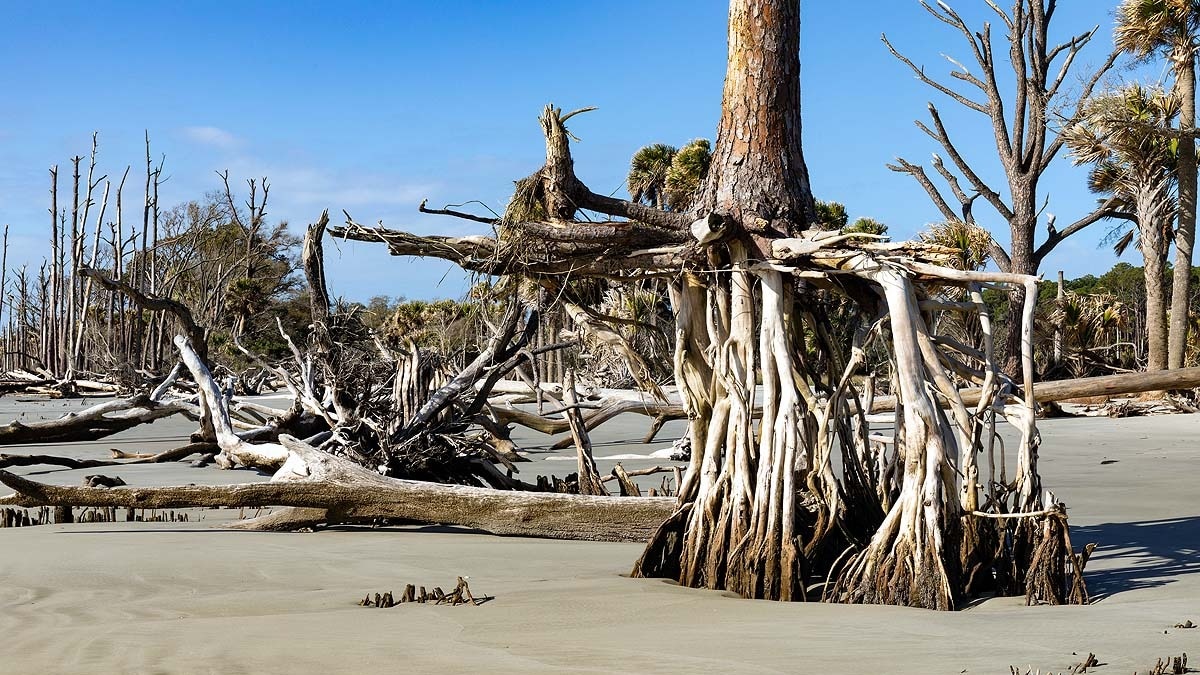
Scientists in the United States have identified a troubling new threat to forest ecosystems: rising water levels in freshwater lakes and surrounding areas are causing widespread tree mortality in regions otherwise untouched by natural disasters. The phenomenon represents a significant shift in environmental conditions that researchers are only beginning to understand.
Unlike tree death caused by hurricanes, wildfires, or disease outbreaks, this emerging crisis shows no obvious external trigger. Trees near lakes and other freshwater bodies are succumbing to conditions created by elevated water tables and prolonged waterlogging of soil. The process has prompted heightened scientific scrutiny as researchers seek to comprehend the mechanisms behind this accelerating decline.
Experts suggest that prolonged exposure to standing water deprives tree roots of oxygen, disrupts nutrient uptake, and creates conditions favorable to root disease. As water levels rise and remain elevated for extended periods, even tree species adapted to moderate moisture become stressed and eventually die. This transformation of thriving forests into landscapes dominated by dead timber represents a concerning indicator of environmental change in North America.
The implications extend beyond aesthetic concerns. Dead trees increase wildfire risk, alter wildlife habitats, and reduce forest ecosystems' capacity to sequester carbon. Researchers are intensifying efforts to map affected areas, identify vulnerable tree species, and project future impacts as hydrological patterns continue to shift across the continent.