World · India Bureau
River disputes intensify across South and Southeast Asia
Transboundary water resources are emerging as a critical flashpoint for regional tensions. Experts warn that competing demands for river water threaten to escalate conflicts between nations.
LSN India ·
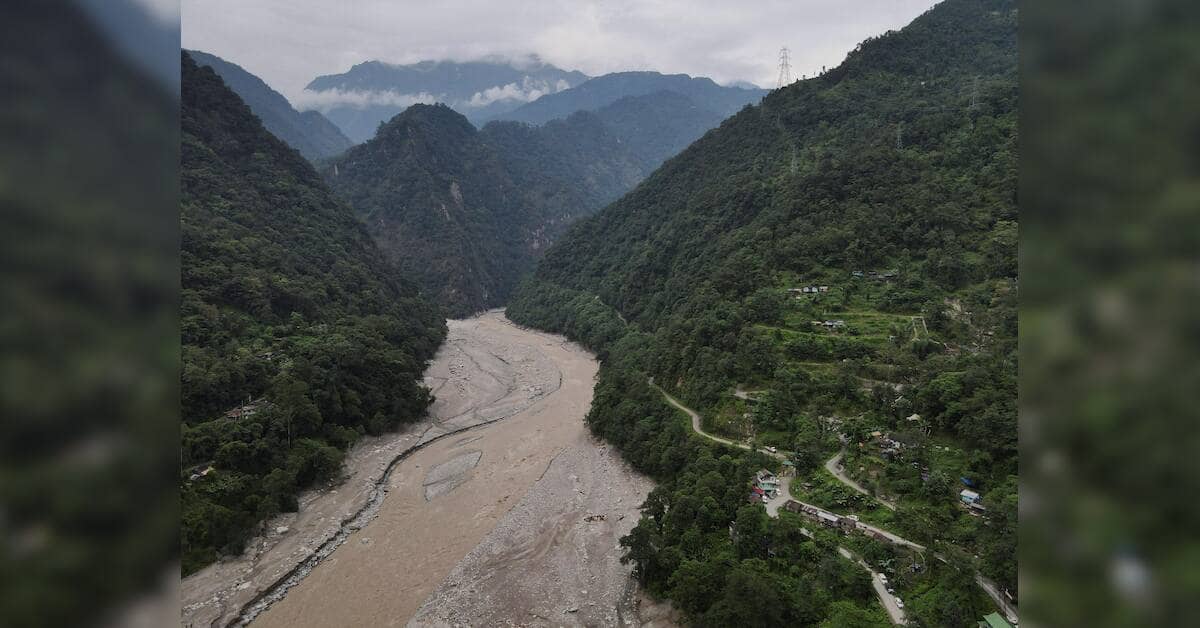
Rivers that flow across international borders are increasingly becoming sources of tension rather than cooperation in South and Southeast Asia. As demand for water grows due to population expansion and agricultural needs, nations are finding themselves at odds over allocation and management of these vital shared resources.
The Mekong, Brahmaputra, and Indus rivers—among the region's most important waterways—have all become focal points for diplomatic friction. Countries upstream have constructed dams and irrigation projects that restrict flow to downstream nations, while those relying on consistent water supply have protested the resulting shortages affecting agriculture and drinking water access.
The situation is further complicated by climate change, which has made water availability increasingly unpredictable. Droughts and flooding patterns have become more severe and irregular, making it harder for neighboring countries to plan water management strategies and adhere to existing agreements. Several bilateral treaties governing water-sharing are decades old and do not account for contemporary environmental realities.
Regional analysts stress that without improved diplomatic channels and updated frameworks for water governance, these disputes risk escalating into broader geopolitical confrontations. Some countries have begun investing heavily in alternative sources including groundwater extraction and desalination, though these solutions come with environmental costs of their own.
International water law experts are urging governments to pursue collaborative approaches, including joint monitoring systems and benefit-sharing agreements that account for environmental sustainability alongside economic needs.