World · Bangladesh Bureau
River encroachment and pollution pose escalating health threats across region
Unchecked riverbank development and industrial discharge are contaminating vital water sources, exposing millions to waterborne diseases and toxic exposure. Environmental experts warn of worsening public health crises without urgent intervention.
LSN Bangladesh ·
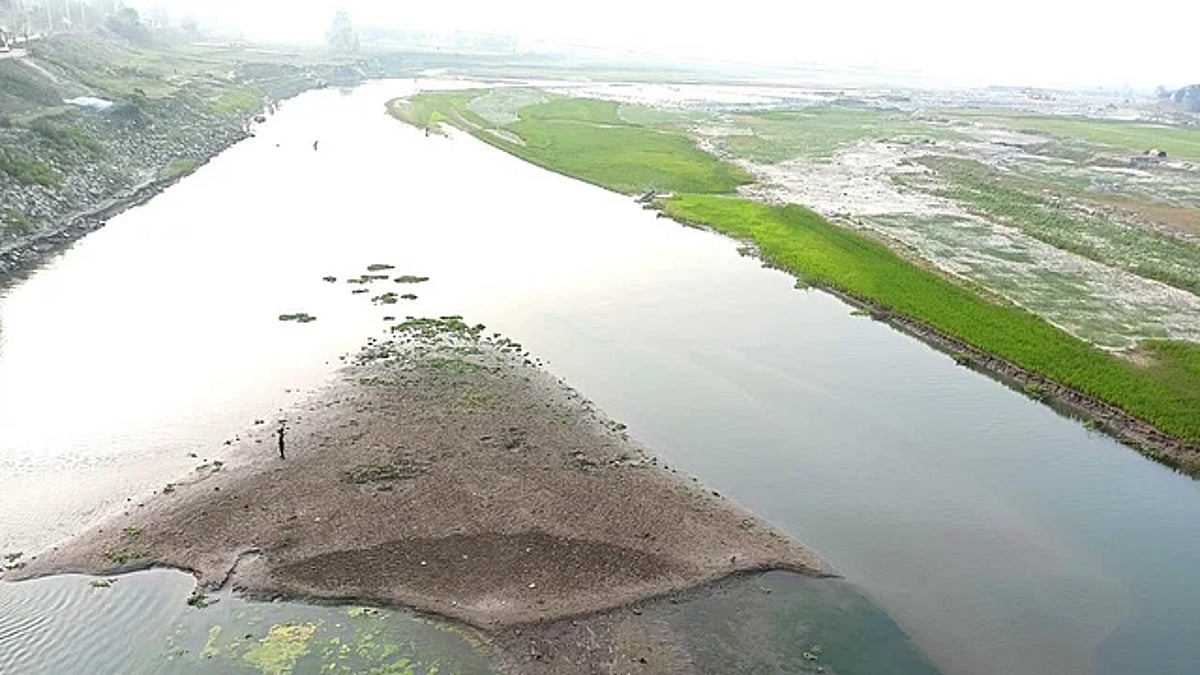
Rivers across South and Southeast Asia are facing unprecedented pressure from competing demands for land and resources, with encroachment destroying natural buffers that once protected communities from flooding and pollution. As settlements expand onto riverbanks and agricultural activities intensify, the structural integrity of water systems deteriorates, reducing their capacity to naturally filter and process waste.
Simultaneously, untreated industrial and domestic effluent continues to flow into major waterways, elevating contamination levels beyond safe limits. Microbial pathogens, heavy metals, and chemical residues now characterize many river systems, creating multiple pathways for disease transmission through direct contact, consumption, and agricultural use.
Communities dependent on rivers for drinking water, irrigation, and livelihoods face mounting health risks including diarrheal diseases, skin infections, and long-term exposure effects. Children and elderly populations remain particularly vulnerable to waterborne illnesses that overwhelm limited healthcare infrastructure in rural areas.
Environmental authorities across the region emphasize that reversing these trends requires coordinated action on encroachment prevention, industrial waste regulation, and restoration of riparian zones. Without immediate policy enforcement and investment in water treatment facilities, health burdens on already strained public systems will continue accelerating.