World · Bangladesh Bureau
Riverine Communities Navigate Climate Challenges Through Resilient Adaptation
Communities living along South Asia's major river systems are developing innovative strategies to cope with environmental degradation and climate pressures. Their efforts highlight both the vulnerability and resilience of populations dependent on waterway ecosystems.
LSN Bangladesh ·
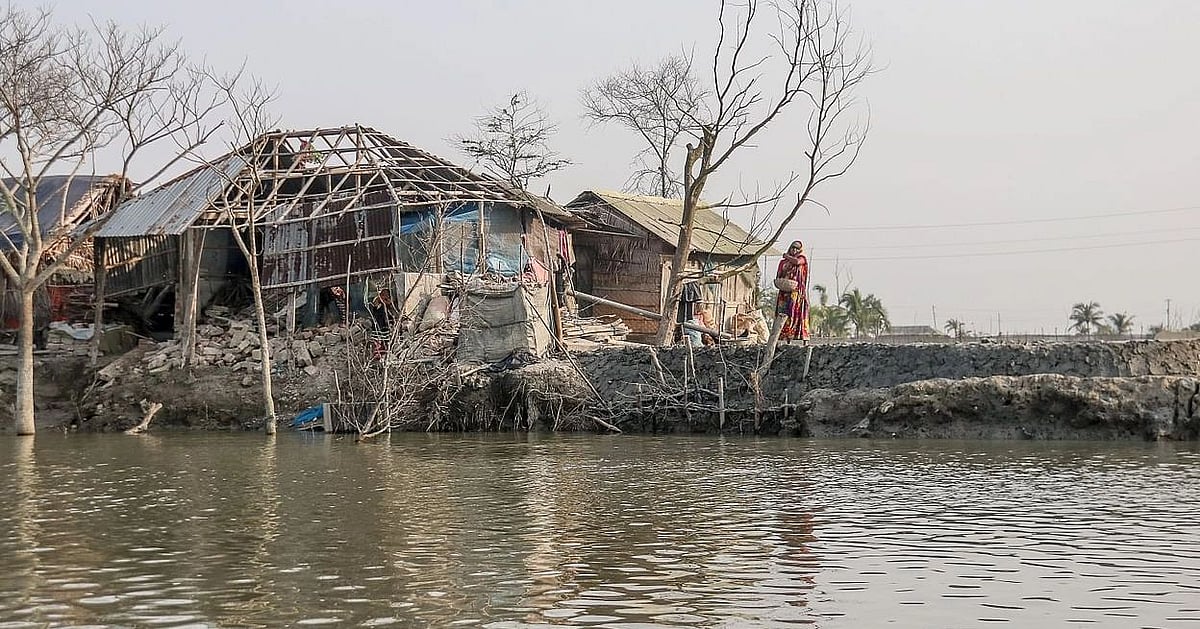
Millions of people across South and Southeast Asia depend on river systems for their livelihoods, yet these same waterways increasingly threaten their survival as climate patterns shift and environmental pressures mount. From Bangladesh's delta regions to communities along the Mekong, populations are caught between the necessity of river proximity for agriculture, fishing, and transportation and the growing risks of flooding, erosion, and resource depletion.
Families in vulnerable areas are adopting multifaceted approaches to sustain themselves amid deteriorating conditions. Agricultural practices are being modified to accommodate changing water availability, with some communities transitioning to flood-resistant crop varieties or adjusting planting schedules based on altered seasonal patterns. Infrastructure projects, including elevated homesteads and improved water management systems, are being implemented at local and regional levels to reduce vulnerability to extreme weather events.
Community-led initiatives are playing a critical role in these adaptation efforts. Local organizations are documenting traditional knowledge about river behavior and water management while integrating modern techniques to build more resilient settlements. Education programs aimed at climate awareness and disaster preparedness are becoming increasingly common across riverine populations.
Experts note that while individual adaptation strategies demonstrate remarkable ingenuity, long-term sustainability requires broader policy support and investment in climate resilience infrastructure. Regional cooperation on water management and cross-border environmental protection remains essential as these communities continue navigating the intersection of economic necessity and environmental survival.