Business · India Bureau
Road builders face margin squeeze despite robust order books
India's road infrastructure companies are navigating execution challenges and input cost pressures that are eroding profitability, even as strong project pipelines provide medium-term growth support. Rising commodity prices and delayed project timelines are testing the resilience of firms with otherwise healthy balance sheets.
LSN India ·
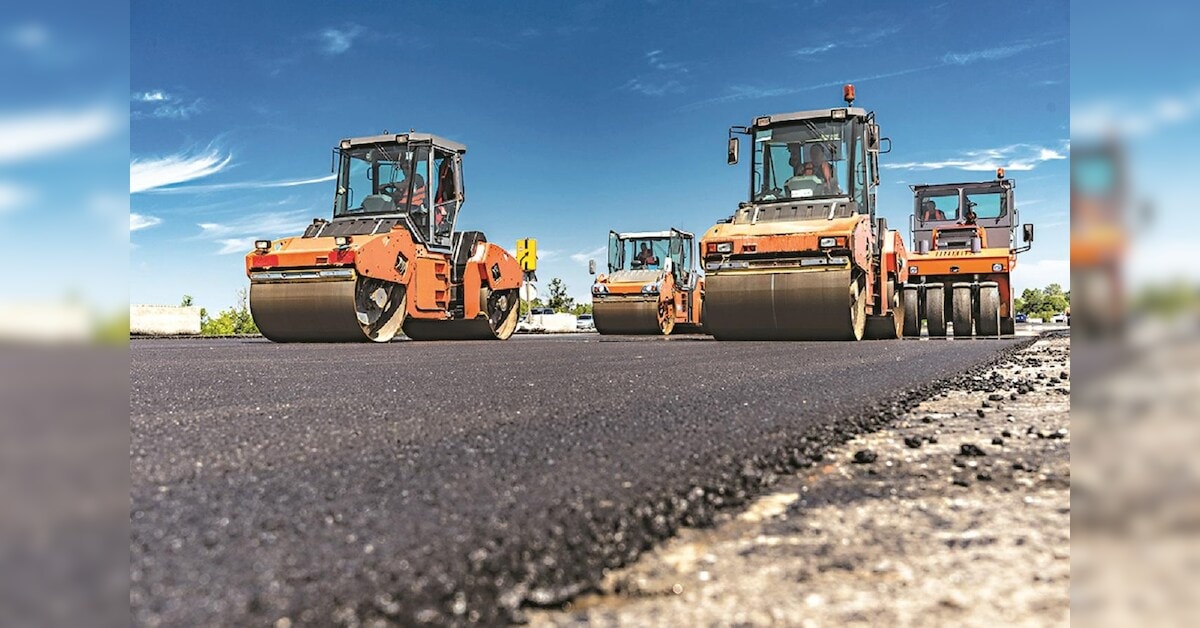
Road construction and infrastructure companies operating across India are confronting a difficult operating environment marked by project execution delays and cost inflation that are squeezing profit margins despite favourable demand conditions. The sector's strong order books and solid financial positions offer a buffer against near-term headwinds, but multiple operational challenges are constraining near-term earnings.
Commodity price inflation and elevated input costs for materials such as steel, cement and bitumen are eating into profitability at a time when many firms are grappling with project scheduling bottlenecks. These delays, attributed to land acquisition issues, environmental clearances and supply chain disruptions, are extending timelines and pushing up overhead costs, which further compress margins on fixed-price contracts.
While the underlying demand for road infrastructure remains robust and contract awards continue to flow, the sector faces a period of margin compression until input costs stabilise and execution timelines normalise. Industry observers expect relief only as commodity markets ease and project delivery accelerates, though timing remains uncertain. The combination of delayed realisations and higher costs has prompted several companies to reassess project profitability and execution strategies.
Despite near-term pressures, most major road builders maintain adequate liquidity and access to capital, positioning them to weather the current cycle. However, analysts note that sustained delays and inflation could force companies to recalibrate cost structures and delivery models to protect returns for shareholders.