Technology · Malaysia Bureau
Robotic Surgery Transforms Pancreatic Cancer Treatment Outcomes
Minimally invasive surgical techniques are revolutionising pancreatic procedures, offering patients reduced trauma, improved precision and speedier recoveries compared to traditional open surgery approaches.
LSN Malaysia ·
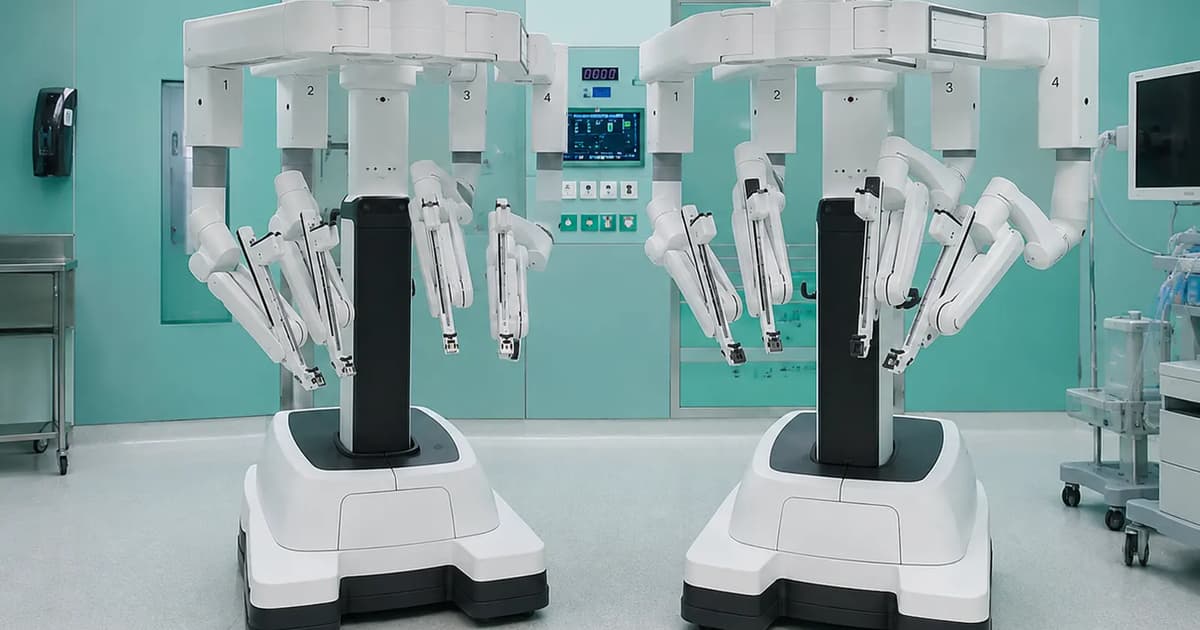
Robotic-assisted surgical systems are reshaping the landscape of pancreatic treatment, enabling surgeons to perform complex procedures through smaller incisions with enhanced visualisation and control. The technology allows for greater precision in delicate operations on the pancreas, a organ positioned deep within the abdomen and surrounded by vital blood vessels and organs.
The shift to robotic-assisted approaches addresses longstanding challenges in pancreatic surgery. Traditional open surgery, while effective, requires large incisions that increase tissue trauma, infection risk and recovery time. By contrast, robotic systems utilise multiple small ports through which specialised instruments are inserted, allowing surgeons to operate with magnified three-dimensional views and steadier hand movements.
Patients undergoing robotic pancreatic procedures experience measurable benefits. Smaller incisions translate to reduced post-operative pain, lower complication rates and shorter hospital stays. Many patients return to normal activities weeks faster than those recovering from conventional surgery, a significant advantage given the complexity and invasiveness of pancreatic interventions.
The adoption of robotic surgery reflects broader technological advances in healthcare across the region. As more centres invest in training surgeons and acquiring robotic platforms, access to these refined techniques is gradually expanding, offering hope to patients with pancreatic conditions who previously faced lengthy recovery periods and greater surgical risks.