Technology · Singapore Bureau
Robotics industry bracing for transformative AI breakthrough, Unitree CEO suggests
The robotics sector is approaching an inflection point comparable to ChatGPT's impact on artificial intelligence, according to a leading industry figure. Unitree's chief executive has outlined ambitions for autonomous machines to handle the majority of household chores without human intervention.
LSN Singapore ·
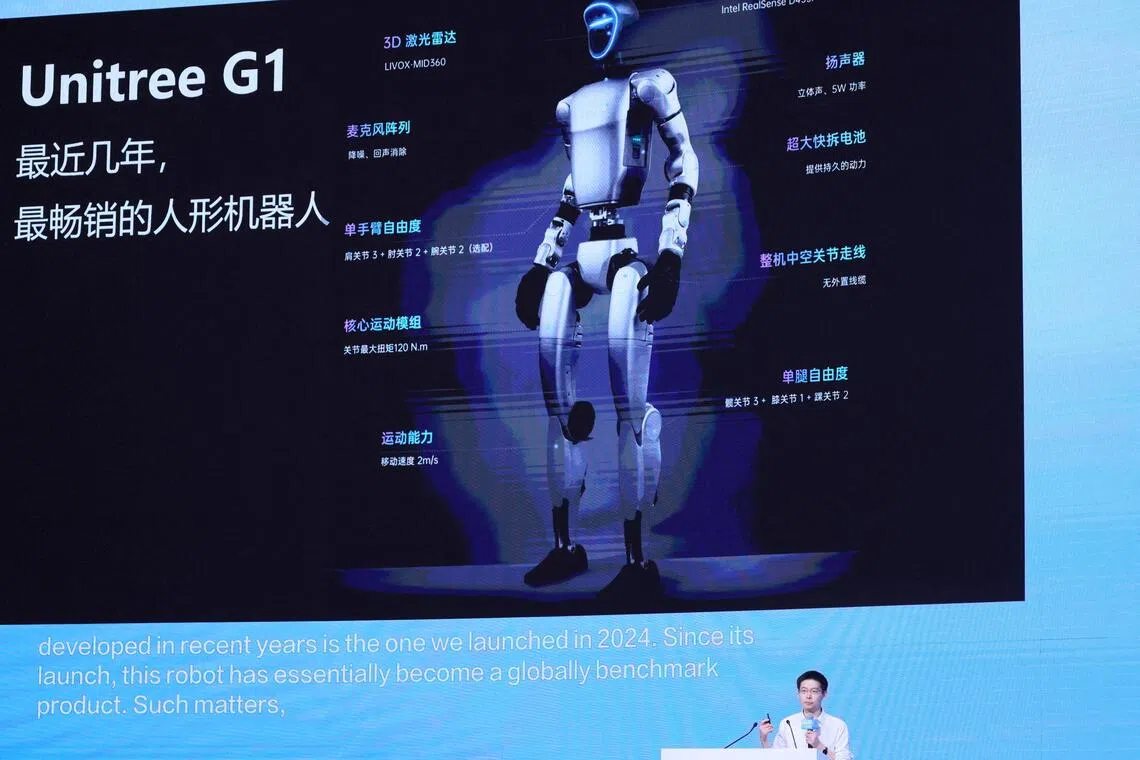
The robotics industry is poised for a paradigm shift driven by advances in artificial intelligence, with executives predicting capabilities comparable to the disruption ChatGPT triggered in the broader AI sector. Unitree's chief executive has articulated a vision where intelligent robots could autonomously manage approximately 80 per cent of household tasks, fundamentally reshaping domestic life and labour patterns.
This optimistic assessment reflects growing confidence among robotics manufacturers that recent breakthroughs in machine learning and autonomous systems will soon enable practical applications far beyond current limitations. The trajectory mirrors the rapid adoption cycle witnessed following large language models' emergence into mainstream awareness, suggesting roboticists are approaching technical thresholds that could accelerate commercialisation timelines.
While current robotic systems remain limited in adaptability and task complexity, proponents argue that AI-driven improvements will soon enable machines to navigate unpredictable home environments and execute varied domestic responsibilities with minimal human guidance. The convergence of enhanced perception systems, improved motor control algorithms, and large-scale training datasets is narrowing the gap between laboratory demonstrations and consumer-ready products.
However, industry analysts caution that translating technological capability into practical household deployment involves significant hurdles beyond pure engineering, including consumer acceptance, safety standards, and economic viability at scale. The timeline for such widespread automation remains uncertain despite optimistic projections from sector leaders.