Technology · World News Bureau
Robots reshape eldercare across Asia as populations age rapidly
As South and Southeast Asian nations grapple with aging populations and caregiver shortages, robotic companions and automated systems are emerging as potential solutions. Yet experts caution that technology alone cannot replace human connection and institutional wisdom.
LSN World News ·
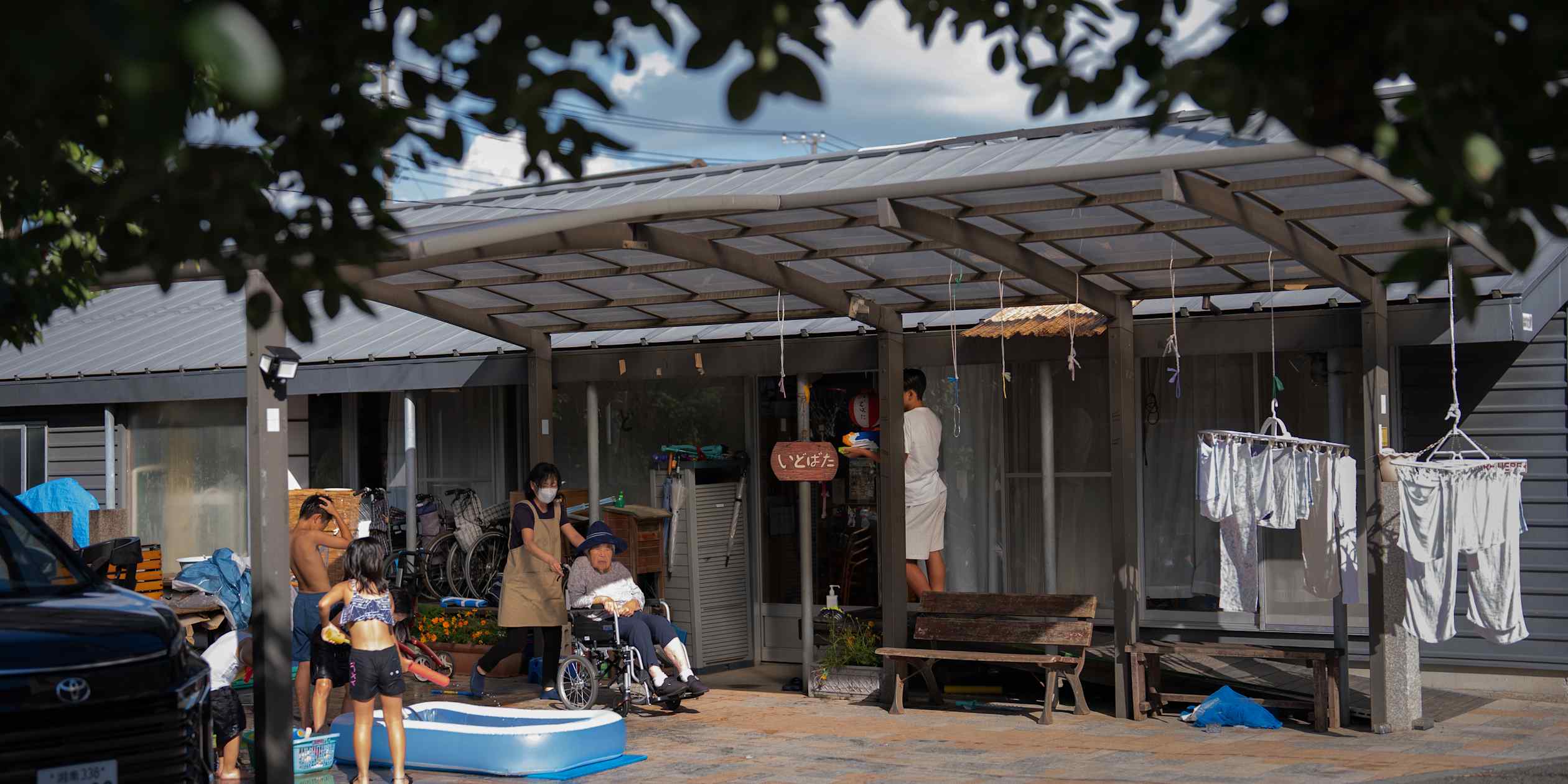
Demographic shifts across the region are intensifying pressure on healthcare systems and families already stretched thin by eldercare demands. Countries including Japan, South Korea, and Singapore have begun deploying robotic assistants in nursing homes and hospitals to monitor vital signs, dispense medications, and provide basic companionship to isolated seniors. These innovations address critical gaps where trained caregivers remain scarce and labor costs continue to rise.
The technology offers measurable benefits in routine tasks and round-the-clock monitoring capabilities that human staff cannot sustain. Robotic systems can track patient movement, alert medical personnel to falls or health emergencies, and reduce the physical strain on caregivers. Several pilot programs have reported improved efficiency and cost savings in institutional settings across major urban centers.
However, gerontologists and social workers warn against over-reliance on automation. They emphasize that elderly individuals require emotional engagement, cultural sensitivity, and nuanced decision-making that machines cannot provide. The most effective eldercare models, they argue, integrate technological tools with robust human staffing and community support networks.
Policymakers across the region are now balancing investment in robotic solutions with renewed focus on training and retaining human caregivers. Successful approaches appear to combine technological innovation with strengthened social infrastructure, recognizing that sustainable eldercare requires both practical efficiency and the irreplaceable value of human interaction.