Culture & Entertainment · India Bureau
Rock Machine: Four Decades Shaping India's Original Music Scene
Four decades after its formation in Mumbai, Rock Machine remains a pioneering force in Indian rock music, having transitioned from a covers ensemble to a champion of original compositions and helping establish India's independent music identity on the global stage.
LSN India ·
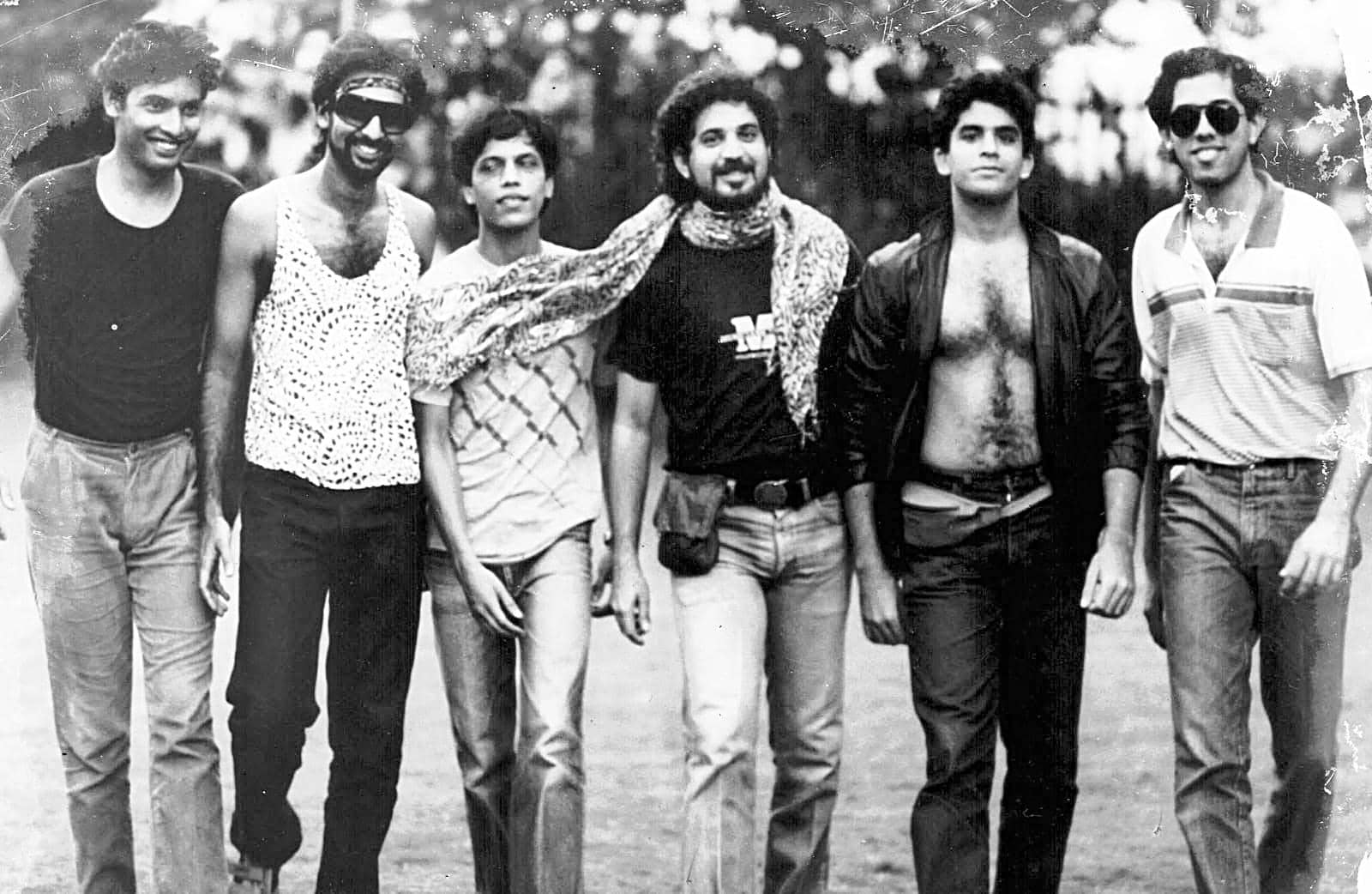
Rock Machine's journey began in 1984 in what was then called Bombay, when the band started performing cover versions of Western rock classics. The group's early years were marked by a gradual shift in artistic direction, as members increasingly focused on creating and performing original compositions that blended Western rock sensibilities with distinctly Indian influences.
The band's commitment to original material led to a significant milestone in 1988, when Rock Machine undertook its first overseas tour, travelling to the Soviet Union to perform at the Festival of India. This early international exposure marked a turning point, positioning the band as cultural ambassadors for Indian rock music and demonstrating that the country's music scene could produce acts capable of competing on a global platform.
Over the subsequent decades, Rock Machine's pioneering work in championing original Indian rock compositions helped establish a template for countless musicians who followed. The band's evolution from covers specialists to originalists reflected broader changes in India's music industry, particularly the growing appetite among audiences for homegrown rock music that drew from local traditions and contemporary themes.
Today, Rock Machine's legacy extends beyond their recordings and performances. The band's early decisions—particularly the risky move to prioritize original material over commercially safer covers—helped legitimize rock music as a viable artistic medium in India, paving the way for subsequent generations of musicians to pursue independent, original work without compromising artistic integrity or commercial viability.