World · World News Bureau
Rohingya Face Ongoing Persecution Nine Years After Myanmar Genocide
Nearly a decade after 2017 atrocities that killed thousands, Myanmar's Rohingya Muslim minority continues to face systematic persecution and forced displacement. Advocates warn that without accountability, the cycle of violence threatens the community's survival.
LSN World News ·
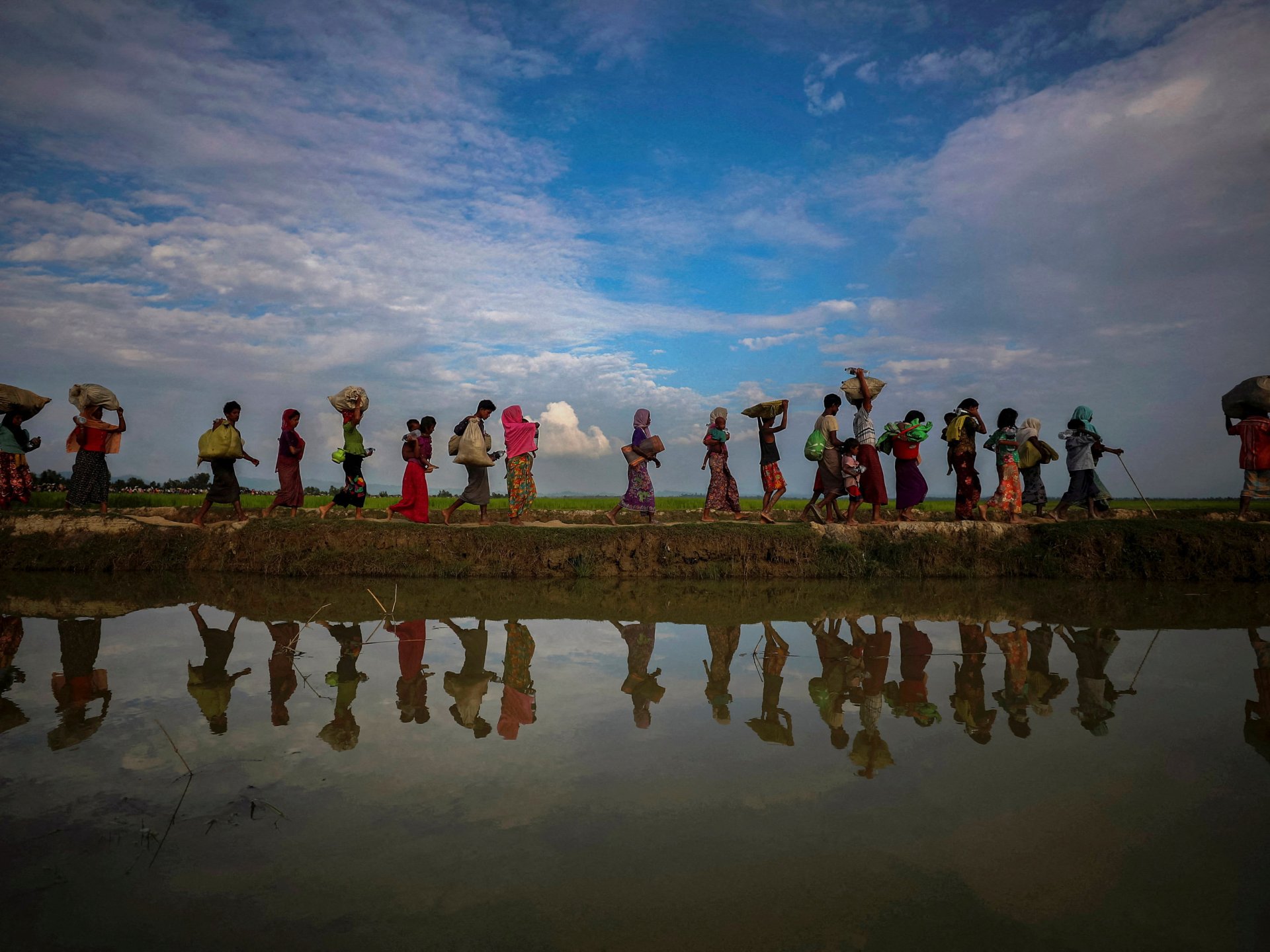
Nine years after the 2017 military offensive that displaced over 700,000 Rohingya from Myanmar's Rakhine State, members of the persecuted minority remain under severe threat despite international condemnation and genocide findings by multiple human rights organizations.
The situation shows little sign of improvement, with reports indicating that Rohingya communities continue to face systematic persecution, restricted movement, and economic marginalization within Myanmar. Those who remain in the country live in conditions of extreme vulnerability, while many others languish in refugee camps in neighboring Bangladesh, awaiting resolution to their displacement.
Human rights advocates emphasize that the absence of meaningful accountability measures or institutional reforms has enabled persecution to continue unabated. Without prosecutions of those responsible for the 2017 atrocities or substantive changes to policies targeting the Rohingya, experts warn that the community faces an existential threat.
International pressure has yielded limited concrete results. Myanmar's military junta, which took power in 2021, has shown no indication of addressing grievances or implementing justice mechanisms. Meanwhile, the global attention that initially followed the 2017 crisis has diminished, leaving the Rohingya increasingly vulnerable to further displacement and suffering.