World · World News Bureau
Rohingya refugee crisis enters ninth year with little resolution in sight
Nearly a decade after a military crackdown forced hundreds of thousands to flee Myanmar, Rohingya refugees remain trapped in overcrowded camps with limited prospects for return or resettlement.
LSN World News ·
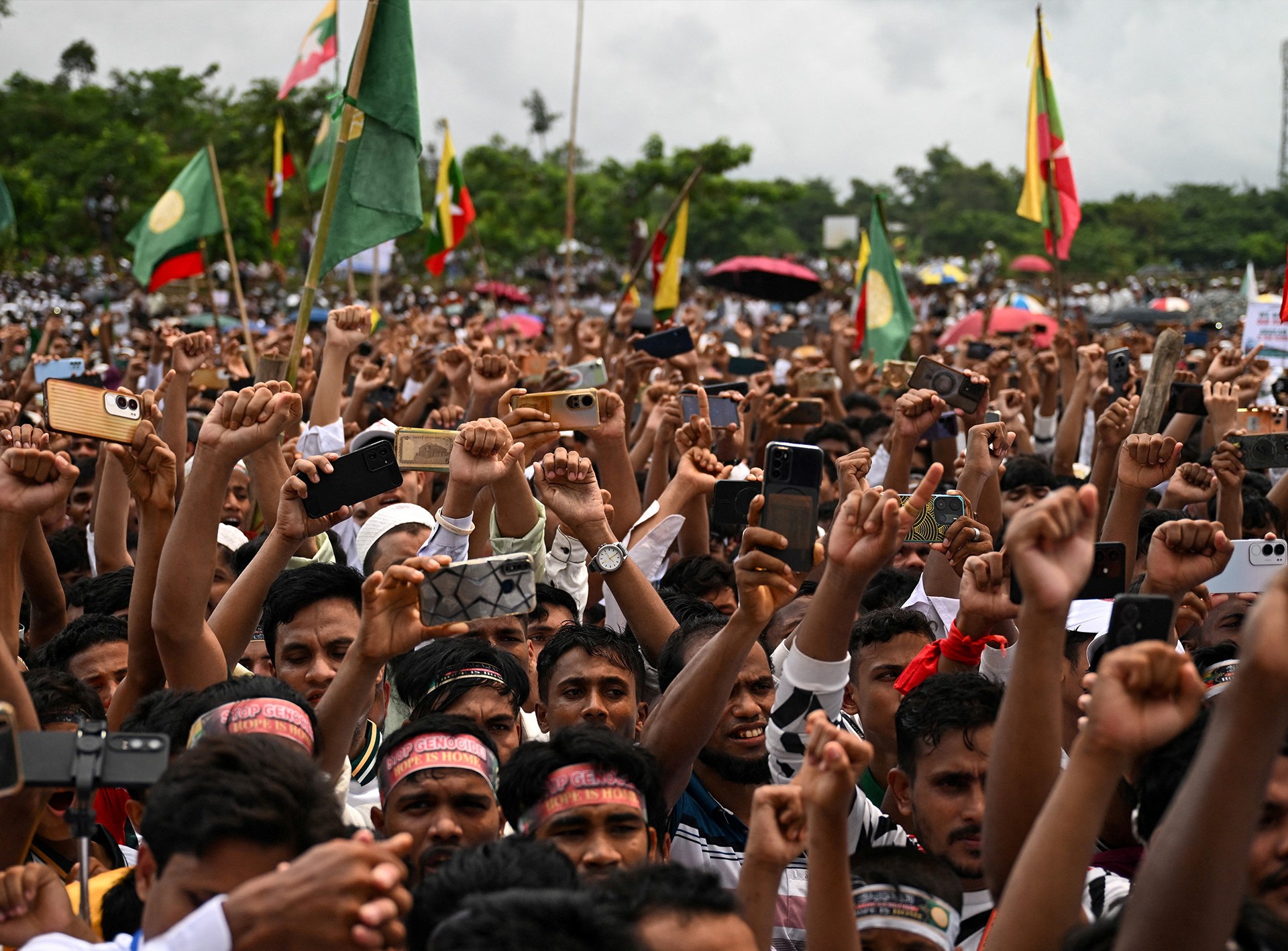
The Rohingya refugee crisis, which erupted in 2017 following a military offensive in Myanmar's Rakhine State, has persisted as one of the world's most intractable humanitarian emergencies. The initial wave of violence displaced over 700,000 members of the stateless Muslim minority, with the majority seeking refuge in neighboring Bangladesh, where they remain concentrated in sprawling camps in Cox's Bazar.
Nine years into the crisis, conditions in the refugee camps remain dire. Overcrowding, inadequate sanitation, limited educational opportunities, and restricted freedom of movement continue to plague daily life for residents. Disease outbreaks, fires, and gang violence have periodically destabilized the camps, while humanitarian agencies struggle to meet growing needs with insufficient funding.
The path toward resolution remains uncertain. Myanmar's political instability following a 2021 military coup has further complicated prospects for the safe, voluntary, and dignified return of refugees to their homeland. International efforts to broker repatriation agreements have yielded minimal results, with security concerns and questions about the restoration of citizenship rights remaining unresolved.
Meanwhile, a younger generation of Rohingya has grown up entirely within the camps, with limited access to formal education or employment opportunities. Host communities in Bangladesh, meanwhile, face mounting pressure from the prolonged presence of refugee populations, creating additional humanitarian and development challenges across the region.