World · World News Bureau
Rohingya refugees protest worsening conditions across South Asia
Nearly a decade after fleeing genocide in Myanmar, Rohingya refugees are facing mounting pressures including aid reductions in Bangladesh and forced deportations in neighboring countries. The humanitarian crisis affecting the displaced population shows no signs of abating.
LSN World News ·
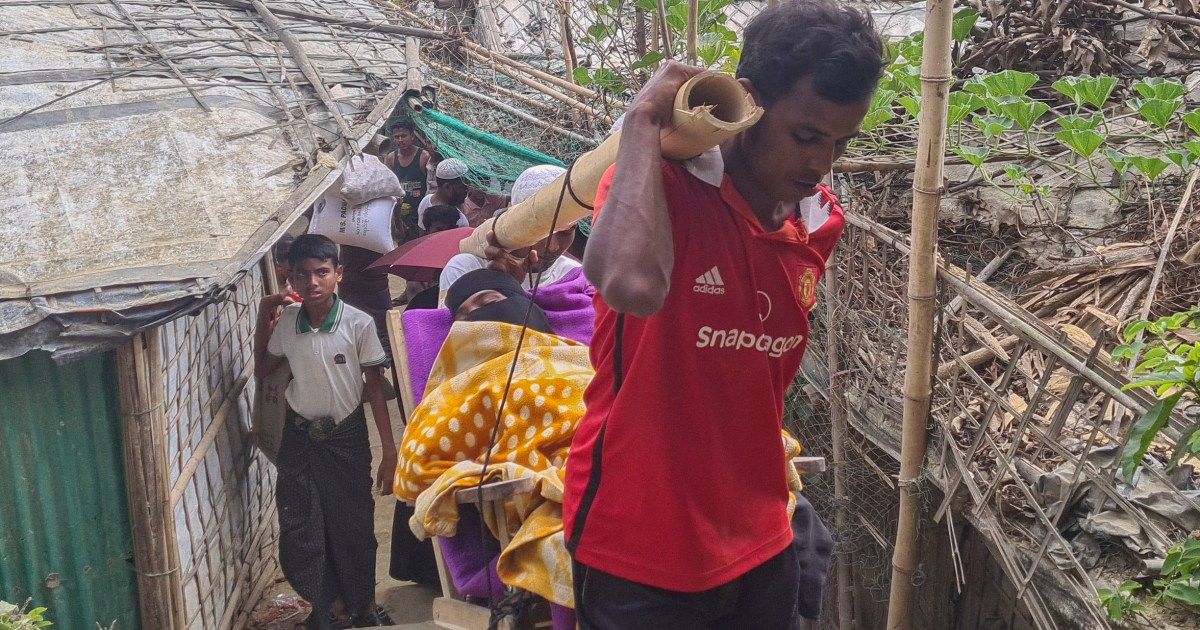
Rohingya refugees sheltering in Cox's Bazar, Bangladesh are taking to the streets to protest deteriorating living conditions as international aid commitments shrink. The demonstrations underscore deepening desperation within camps housing hundreds of thousands of displaced persons who fled violence in Myanmar's Rakhine State beginning in 2017.
Aid organizations operating in Bangladesh report significant funding shortfalls that have forced cutbacks in essential services including healthcare, education, and food assistance. The reduction comes as the refugee population struggles with overcrowding, disease, and limited economic opportunities in the sprawling camp settlements.
The situation grows more precarious as neighboring countries intensify pressure on Rohingya communities. Malaysia and India have reportedly accelerated deportation proceedings, forcing families to choose between remaining in inadequate conditions or facing uncertain returns. Rights advocates warn these policies violate international refugee protections and compound the vulnerability of a stateless population.
With Myanmar's military government showing no commitment to addressing the conditions that triggered the initial displacement, refugees face a prolonged humanitarian emergency. Bangladesh, already hosting the world's largest refugee camp, struggles to manage the burden without robust international support. The convergence of aid cuts, forced displacement, and political stagnation has created a critical moment for the Rohingya crisis.