World · India Bureau
Room Heaters vs Blowers: Which is Safer for Winter Sleep?
As India's winter season intensifies demand for heating appliances, health and safety experts weigh the risks and benefits of room heaters and blowers for nighttime use. Understanding proper usage and precautions can help households stay warm without compromising wellbeing.
LSN India ·
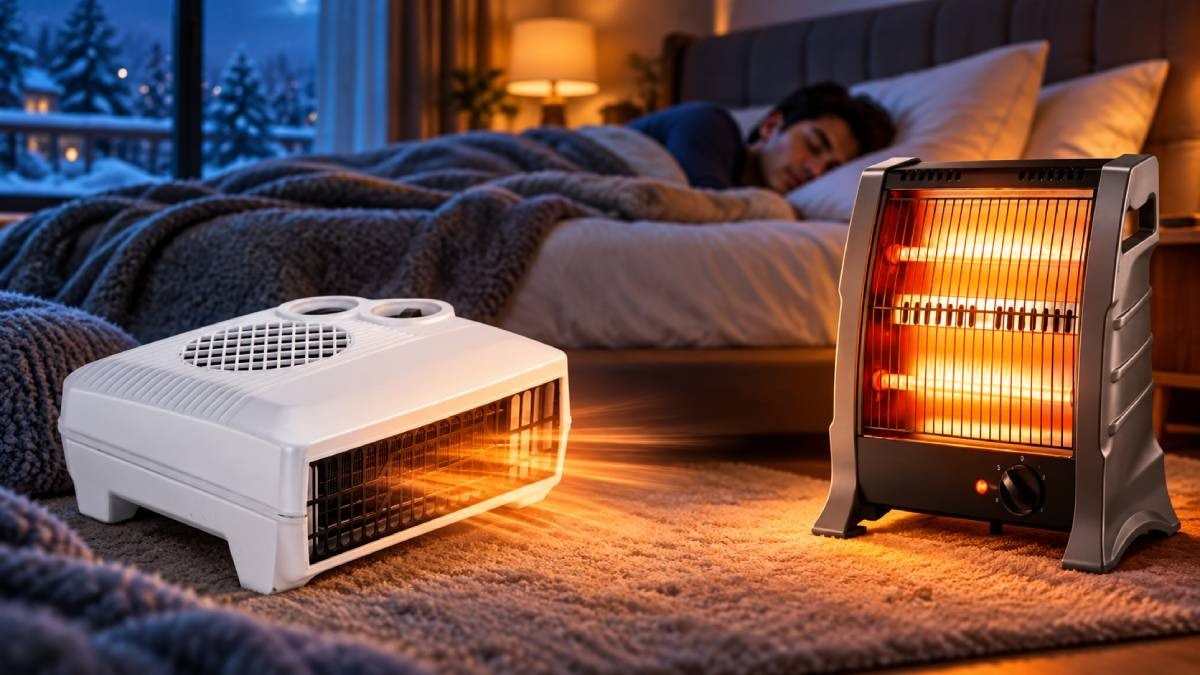
Winter heating appliances have become essential in Indian households, with room heaters and blowers among the most popular choices for combating cold nights. However, using these devices while sleeping requires careful consideration of safety protocols and health implications, as improper usage can pose significant risks to occupants.
Room heaters typically provide consistent, ambient warmth throughout an enclosed space, making them suitable for maintaining steady temperatures during sleep. Blowers, by contrast, deliver concentrated heat streams and are generally considered more suitable for targeted, short-term warming. Each device carries distinct advantages and drawbacks when used during extended periods such as overnight rest.
Health authorities caution that prolonged exposure to room heaters while sleeping can lead to dry skin, dehydration, and respiratory irritation. Blowers present similar risks, with the additional concern of uneven heat distribution. Both appliances also pose fire hazards if placed improperly or if flammable materials are stored nearby.
Experts recommend maintaining adequate ventilation even while using heating appliances at night, as sealed rooms can lead to oxygen depletion and increased carbon monoxide concentration—particularly with older or poorly maintained devices. Room heaters should be positioned away from bedding and curtains, while blowers should never be left unattended during operation.
For safe winter sleeping, authorities suggest using heaters at moderate settings, keeping devices at least one meter from the bed, ensuring regular device maintenance, and installing carbon monoxide detectors in bedrooms. Choosing between the two ultimately depends on room size, device quality, and adherence to critical safety guidelines.