World · Bangladesh Bureau
Rooppur nuclear plant achieves fission milestone in power generation push
Bangladesh's Rooppur Nuclear Power Plant has successfully initiated nuclear fission, marking a significant step toward commercial electricity production. The achievement represents years of development and positions the facility closer to supplying power to the national grid.
LSN Bangladesh ·
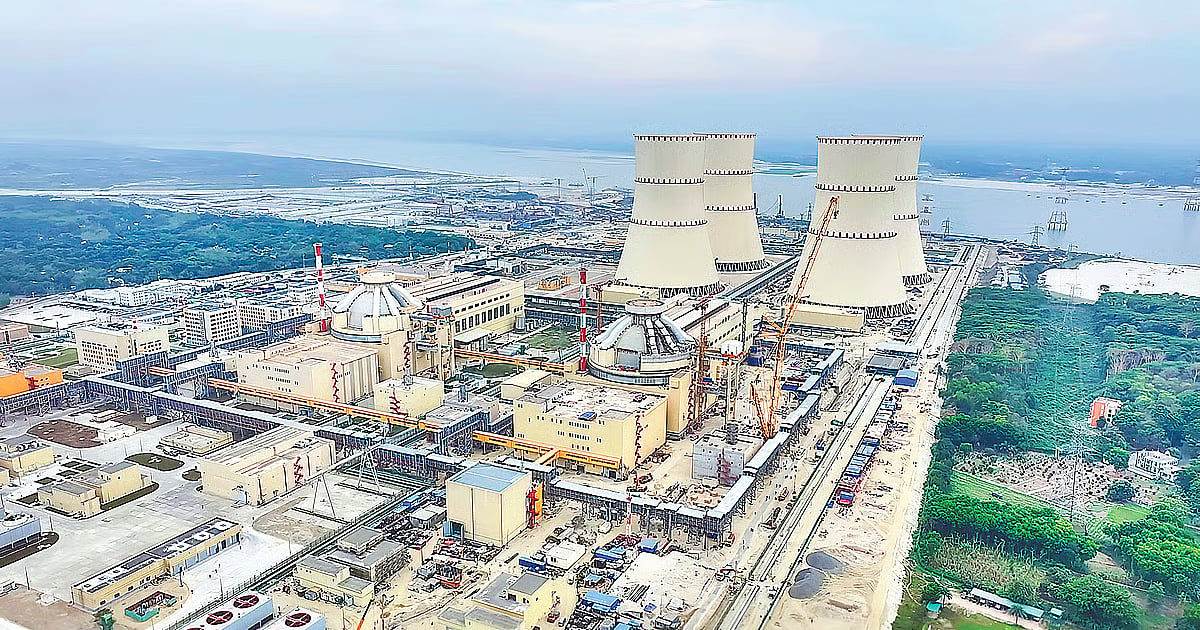
The Rooppur Nuclear Power Plant, located in Pabna district, has reached a critical operational milestone by achieving controlled nuclear fission in one of its reactors. This development signals progress in the plant's transition from construction and testing phases toward full commercial operation, bringing the nation closer to generating clean energy at scale.
The plant, developed with Russian technical assistance and financing, has been under construction for several years as part of Bangladesh's broader energy infrastructure expansion. The successful fission initiation demonstrates that core engineering systems and safety protocols are functioning as designed, a prerequisite for moving toward grid connectivity.
Once fully operational, Rooppur is expected to contribute substantially to Bangladesh's electricity supply while reducing the nation's dependence on fossil fuels. The plant's two reactors are designed to generate approximately 2,400 megawatts of combined capacity, meeting growing demand as the country pursues economic development and industrial growth.
Bangladesh's nuclear energy program has faced scrutiny regarding costs and timelines, with completion dates adjusted several times. The fission milestone, however, addresses technical concerns and demonstrates the project's forward momentum. Regulatory and safety authorities in Bangladesh will continue oversight throughout the facility's operational startup phase.
The nation joins a select group of South Asian countries with nuclear power generation capabilities, reflecting a strategic shift toward diversified energy sources including renewables and nuclear alongside conventional thermal plants.