World · India Bureau
Rooster as Durga's vehicle signals inauspicious year ahead, Hindu scholars say
As Shardiya Navratri concludes in 2026 with the goddess departing on a rooster, Hindu religious scholars warn the animal's association carries negative omens for the coming period.
LSN India ·
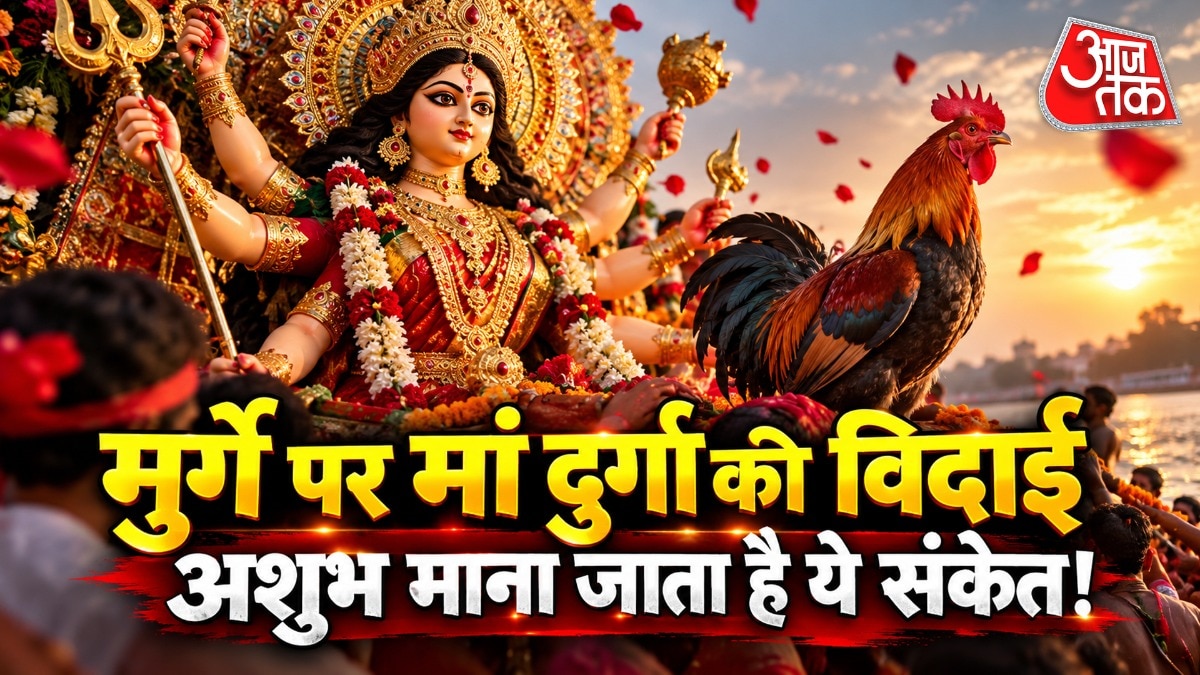
The conclusion of Shardiya Navratri in 2026 will see Goddess Durga's departure mounted on a rooster, an occurrence that religious scholars say carries significant implications according to Hindu tradition and belief systems.
In Hindu cosmology, each animal designated as the deity's vahana, or vehicle, during the nine-day festival period is believed to convey specific messages about the year ahead. The rooster, known in Sanskrit as the cock or peacock's distant relative in symbolic terms, has long been considered an inauspicious bearer when associated with the goddess's final day.
Religious practitioners and scholars cite classical Hindu texts and centuries of observance to explain the symbolism. The rooster's association with the divine departure is interpreted as a harbinger of challenges, discord, and potential hardship for the devotee community in the months following Navratri's conclusion. This contrasts sharply with other vahanas—such as the lion or tiger—which are believed to signal prosperity and protection.
Different regions of India maintain varying interpretations of these signs, with some communities performing specific rituals and prayers to mitigate any perceived negative influences. The tradition remains an integral part of how many Hindu households prepare spiritually for the year ahead, regardless of modern skepticism.