World · India Bureau
Royal Estate Emerges as Wildlife Conservation Hub in UK
Sandringham, the historic Norfolk residence of the British Royal Family, has become a significant focal point for environmental preservation efforts. The sprawling estate combines its royal heritage with active initiatives to protect native species and restore natural habitats.
LSN India ·
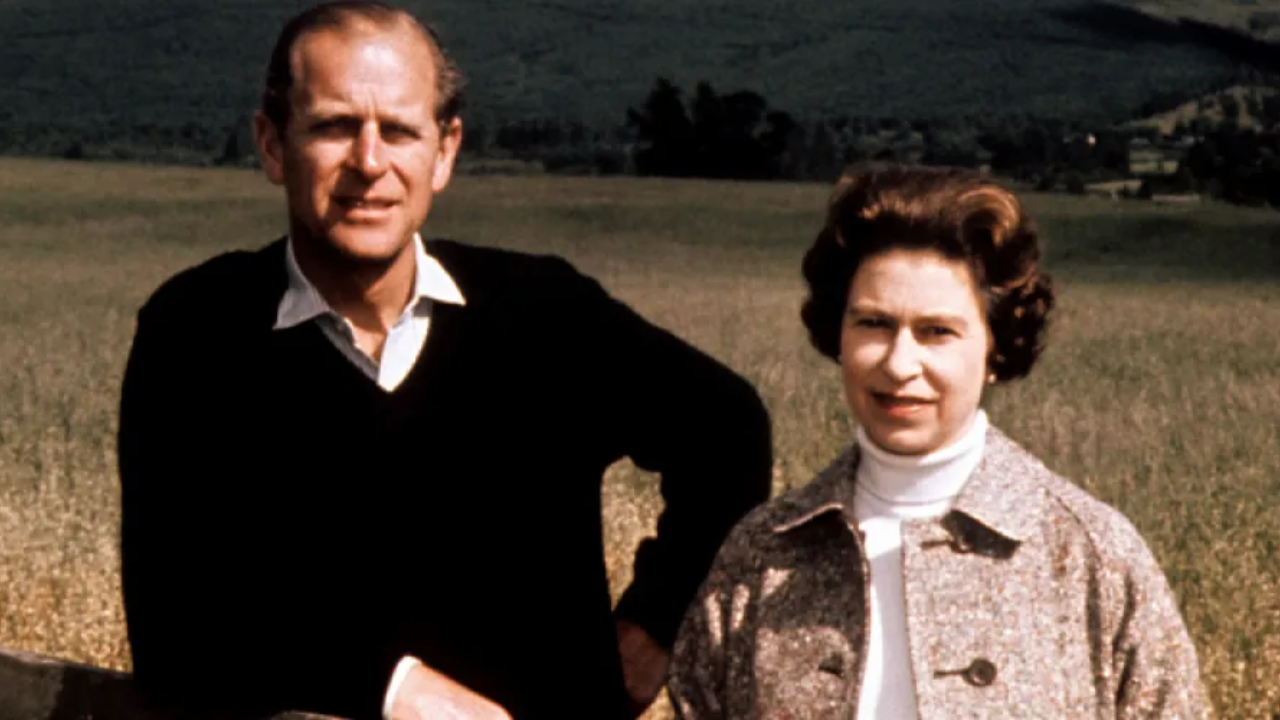
The Sandringham estate, long synonymous with the British monarchy, has evolved into a model for conservation-focused land management. Spanning thousands of acres across Norfolk, the property represents a delicate balance between maintaining historical significance and advancing environmental stewardship across its diverse landscapes.
Wildlife protection initiatives at the estate have gained prominence in recent years, with focused efforts on habitat restoration and species preservation. The grounds support a variety of native fauna, and management strategies have been adapted to ensure ecological sustainability while preserving the estate's historical character and agricultural operations.
The conservation approach at Sandringham reflects broader trends within heritage properties across the United Kingdom, where traditional estates are increasingly integrating environmental management into their operational frameworks. Such initiatives demonstrate how large landholdings can serve dual purposes—maintaining cultural and historical significance while contributing meaningfully to regional biodiversity goals.
The estate's commitment to wildlife conservation extends beyond symbolic gestures, incorporating practical land management practices designed to benefit native species populations. These efforts underscore the potential for heritage properties to function as important repositories for environmental protection in an era of growing ecological concern across Europe and beyond.