Politics · Singapore Bureau
RSIS marks three decades of shaping regional geopolitical discourse
The S. Rajaratnam School of International Studies has spent 30 years providing intellectual foundations for policymakers and practitioners across South and Southeast Asia. Leadership reflects on the institution's role in bridging academic research and practical statecraft.
LSN Singapore ·
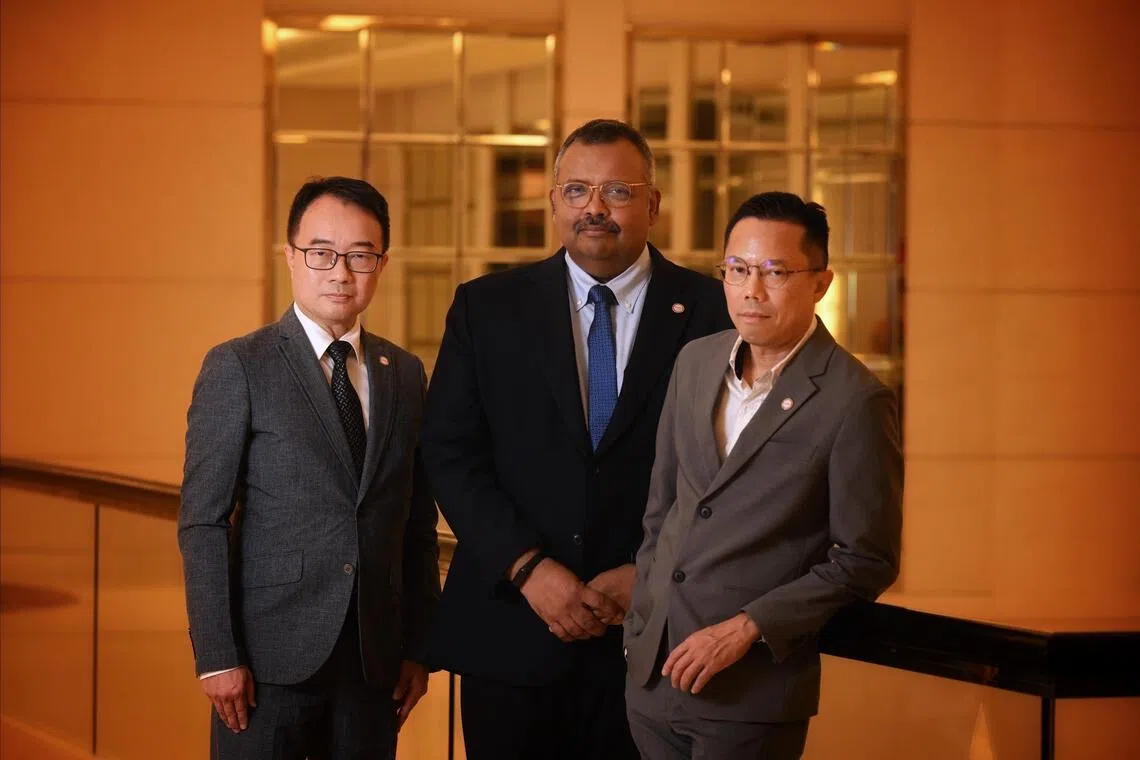
The S. Rajaratnam School of International Studies (RSIS) is marking three decades of operation with senior officials reflecting on the institution's evolving mission in the region's strategic landscape. Founded in the early 1990s, the think-tank has positioned itself as a critical intellectual resource for governments, diplomats and defence professionals seeking to navigate complex geopolitical challenges.
RSIS leadership emphasises the school's distinctive role in providing what officials describe as academic scaffolding for practitioners. Rather than operating solely as a theoretical research body, the institution has focused on delivering practical intellectual frameworks that policymakers can apply to real-world decision-making in the region.
Over the past three decades, RSIS has expanded its portfolio to cover emerging transnational challenges including maritime security, terrorism studies, non-traditional security threats and regional strategic rivalries. The school's faculty comprise former diplomats, military officers and analysts alongside academic researchers, a structure designed to maintain relevance to contemporary policy debates.
The milestone comes as the region faces intensifying geopolitical competition and institutional uncertainty. RSIS officials indicate the school remains committed to its foundational mission of providing neutral, evidence-based analysis to support informed decision-making among regional governments and international partners. The institution continues to host seminars, publish research and host visiting practitioners seeking access to advanced strategic analysis.