World · India Bureau
RSS Chief Bhagwat Claims Sangh Holds Sway Over Government Policy
Mohan Bhagwat, head of the Rashtriya Swayamsevak Sangh, has asserted that the ideological organization exercises significant influence over the country's governance and policy direction. The statement underscores the RSS's claimed centrality to India's political and administrative machinery.
LSN India ·
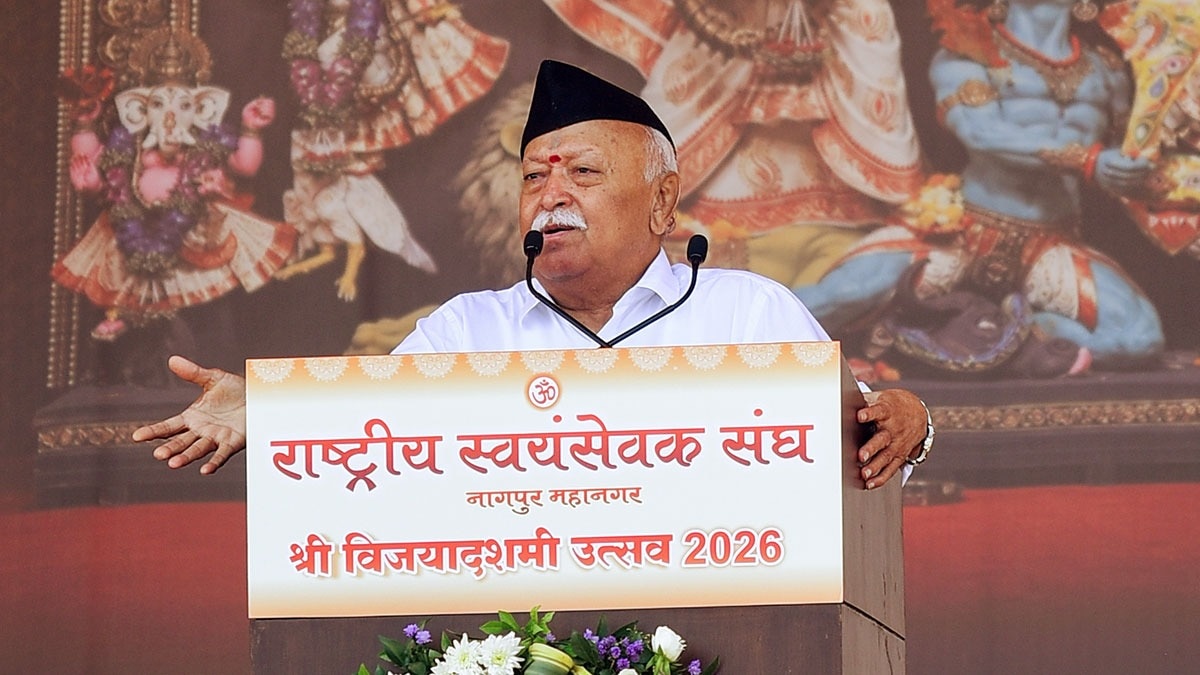
The Rashtriya Swayamsevak Sangh's top leadership has reiterated claims about the organization's direct influence over India's government functioning and policy-making processes. Mohan Bhagwat's assertion positions the RSS as a guiding force in national governance rather than a peripheral political actor.
The RSS, which maintains organizational ties to the ruling Bharatiya Janata Party through shared ideological roots and cadre, has historically maintained that its role extends beyond formal party structures into broader governance frameworks. Bhagwat's statement appears designed to reinforce the Sangh's relevance and organizational importance within India's political landscape.
Opposition voices have frequently challenged such assertions, arguing they reflect an overreach of non-electoral bodies into state functions. Civil society organizations have expressed concern about the separation of power between registered political parties and unelected ideological organizations.
The RSS, founded in 1925, operates as a volunteer organization with a hierarchical structure and claims a substantial membership base. Its relationship with successive governments has varied, though its influence is considered particularly pronounced during the current BJP-led administration at the national level.