World · India Bureau
Running PG from home: What are India's legal requirements?
Many homeowners are converting spare rooms into paying guest accommodations for additional income. However, operating a PG facility involves specific legal and regulatory considerations that residents must understand.
LSN India ·
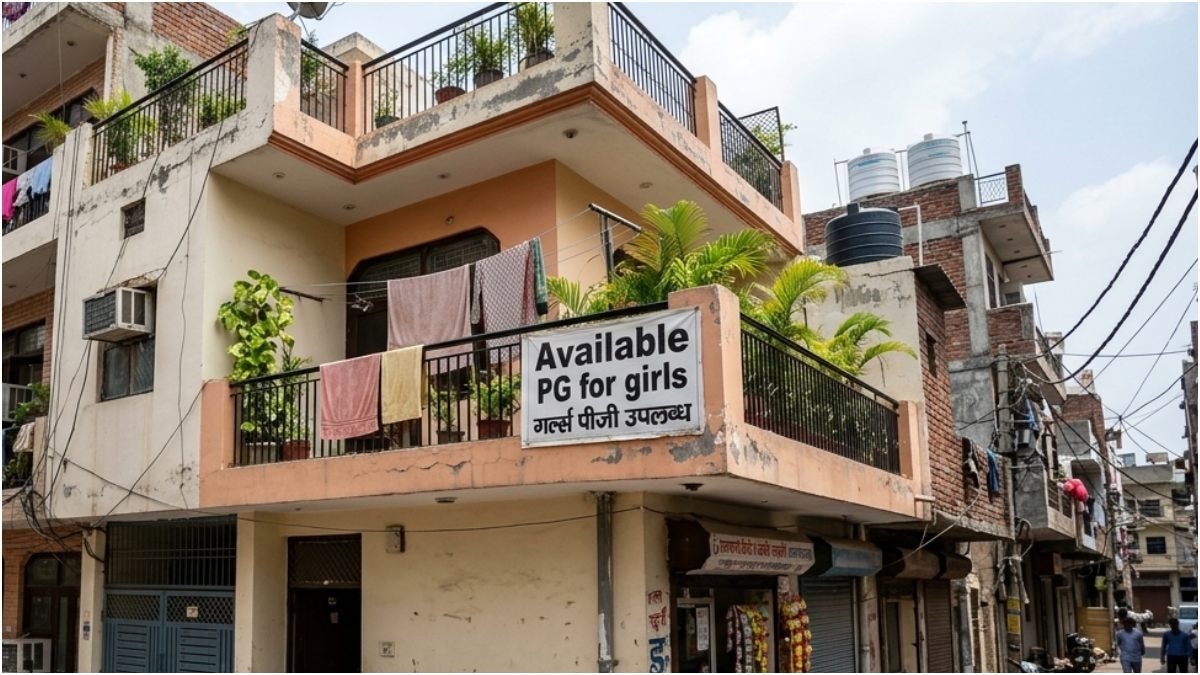
With rising property costs and growing demand for affordable accommodation in Indian cities, an increasing number of homeowners are exploring the prospect of converting spare rooms into paying guest (PG) facilities. While this can generate supplementary income, the practice is governed by various municipal bylaws, building regulations, and tax requirements that vary by location.
Local municipal authorities in most Indian cities classify residential properties under specific zoning categories. Converting a portion of a residential building into a commercial PG venture may require separate approval or change-of-use permissions from the local civic body. In some jurisdictions, running a PG from a residential building without explicit permission is considered a violation of building bye-laws and can attract penalties.
Tax implications also merit consideration. Income generated from renting rooms to paying guests is liable for income tax, and homeowners must maintain proper documentation and file returns accordingly. Additionally, property tax assessments may be revised if a residential unit is classified as partially commercial.
Insurance policies on residential properties typically do not cover commercial activities. Homeowners operating PGs should explore appropriate commercial or mixed-use insurance coverage to protect against liability issues. Building maintenance standards and fire safety regulations may also be more stringent for properties accommodating paying guests.
Before setting up a PG operation, homeowners are advised to consult with local municipal authorities and legal professionals to understand applicable regulations in their specific area and obtain necessary permissions or certifications required for lawful operation.