Business · India Bureau
Rupee's Recovery Stalled by Dollar Strength and Investor Outflows
The Indian rupee faces renewed pressure from persistent dollar demand and capital flight, even as policymakers seek to stabilize the currency. Rising global yields and shifting hedging strategies are compounding headwinds for the unit.
LSN India ·
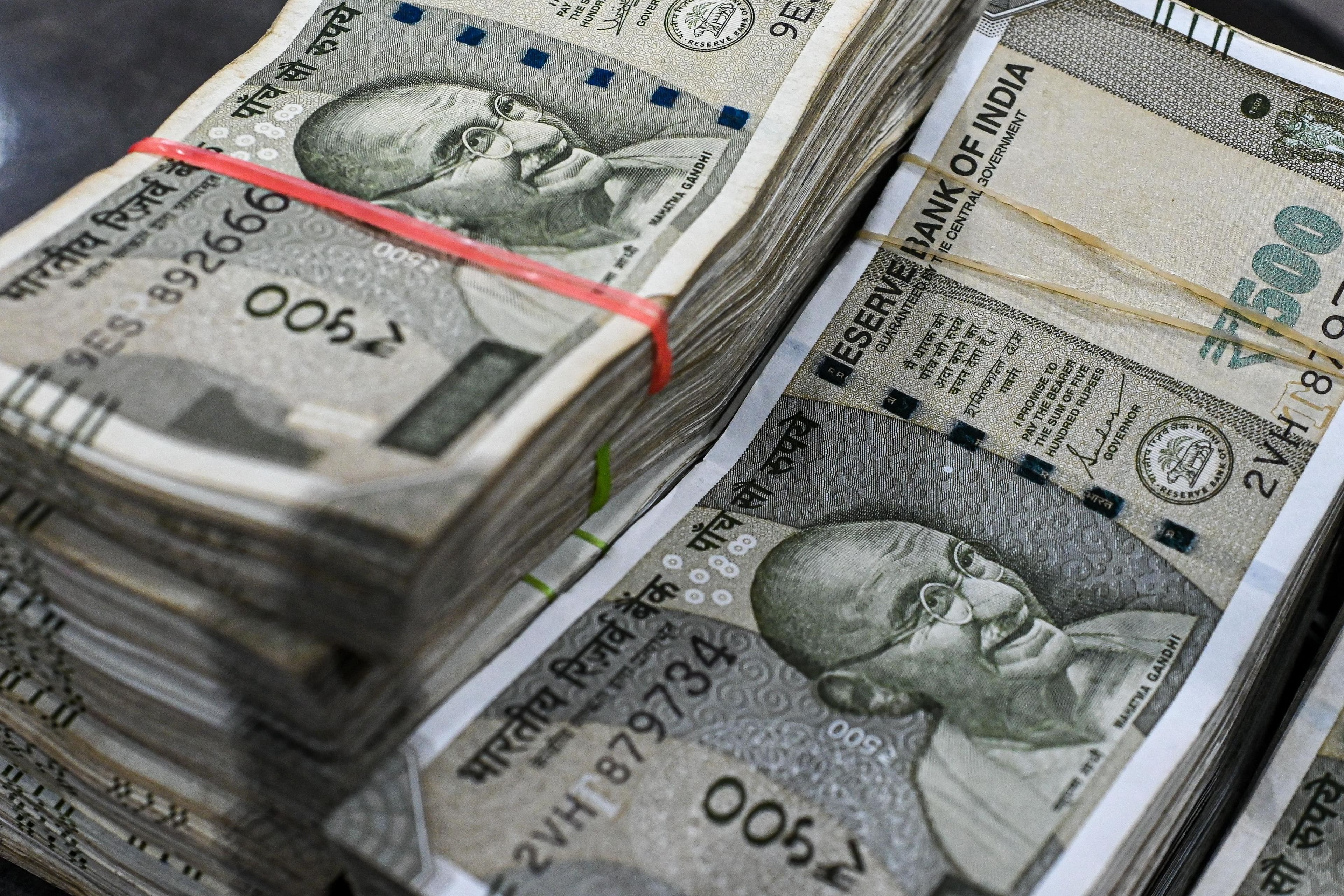
The rupee's recent gains have hit a ceiling as multiple headwinds conspire to weigh on the currency, limiting its potential for sustained appreciation against the dollar. Dollar demand from importers and overseas investors remains elevated, while foreign investors continue to trim holdings in Indian markets, creating downward pressure on the rupee.
Global yield movements are playing a significant role in the rupee's struggle. As yields rise in major developed markets, particularly the United States, the attraction of dollar-denominated assets increases for international investors, drawing capital away from emerging markets like India. This shift in yield differentials makes holding rupee assets relatively less attractive on a risk-adjusted basis.
Additionally, hedging dynamics have shifted unfavorably for the rupee. Market participants are adjusting their currency positioning in response to evolving monetary policy expectations and geopolitical considerations, leading to reduced demand for the Indian unit. The combination of these factors has constrained the rupee's ability to capitalize on periodic strength.
Analysts note that while India's economic fundamentals remain relatively resilient, the currency remains vulnerable to external pressures. The Reserve Bank of India's policy stance and intervention in foreign exchange markets will likely remain critical in determining the rupee's near-term trajectory, as policymakers seek to balance currency stability with broader macroeconomic objectives.