World · India Bureau
Rural markets power two-wheeler sales as petrol dominance persists
Rural India accounts for more than half of all two-wheeler registrations, yet electric vehicle adoption in these areas lags significantly behind urban centres, with petrol vehicles maintaining a 94% market share nationally.
LSN India ·
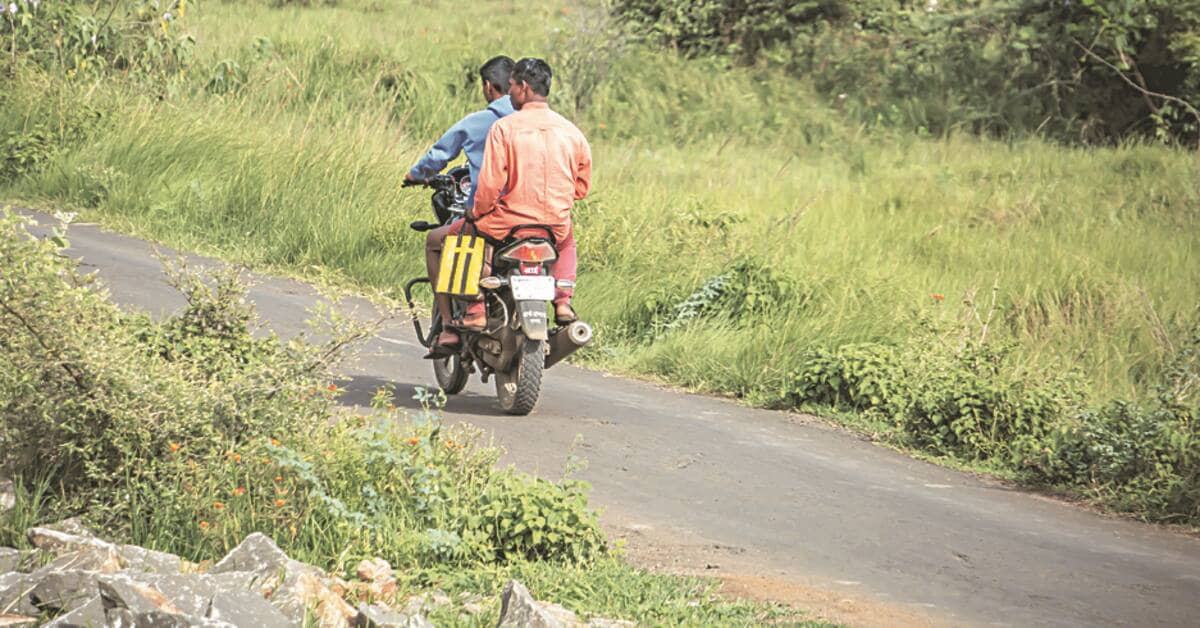
Rural India has emerged as the primary growth engine for two-wheeler sales, accounting for 55% of all registrations across the country, according to latest industry data. This shift underscores the critical role of non-urban markets in sustaining demand for motorcycles and scooters, which remain essential for mobility and livelihood in India's hinterland.
However, the transition to electric two-wheelers remains heavily skewed towards metropolitan and urban areas. Electric vehicles account for only a fraction of rural two-wheeler sales, with petrol-powered vehicles commanding 94% of the national market share. This disparity reflects broader challenges in rural EV adoption, including limited charging infrastructure, affordability concerns, and consumer preferences rooted in fuel availability and established service networks.
The concentration of electric two-wheeler registrations in cities highlights the infrastructure and income disparities between urban and rural India. Urban consumers, supported by developing charging ecosystems and higher purchasing power for premium vehicles, have demonstrated greater willingness to adopt electric models. In contrast, rural buyers continue to prioritize affordable, fuel-efficient petrol options that integrate seamlessly with existing transportation ecosystems.
Industry analysts suggest that accelerating rural electrification will require targeted interventions, including subsidies, expanded charging networks, and competitively priced electric models suited to rural usage patterns. As government policies emphasize sustainable mobility, bridging the urban-rural divide in EV adoption remains a key challenge for India's transportation sector.