World · India Bureau
Russia modernizes Cold War-era air defence system that downed US stealth jet
Russia is upgrading its aging Pechora S-125 missile system with mobile capabilities, decades after the platform achieved notoriety by downing a US F-117 Nighthawk stealth fighter over Serbia in 1999.
LSN India ·
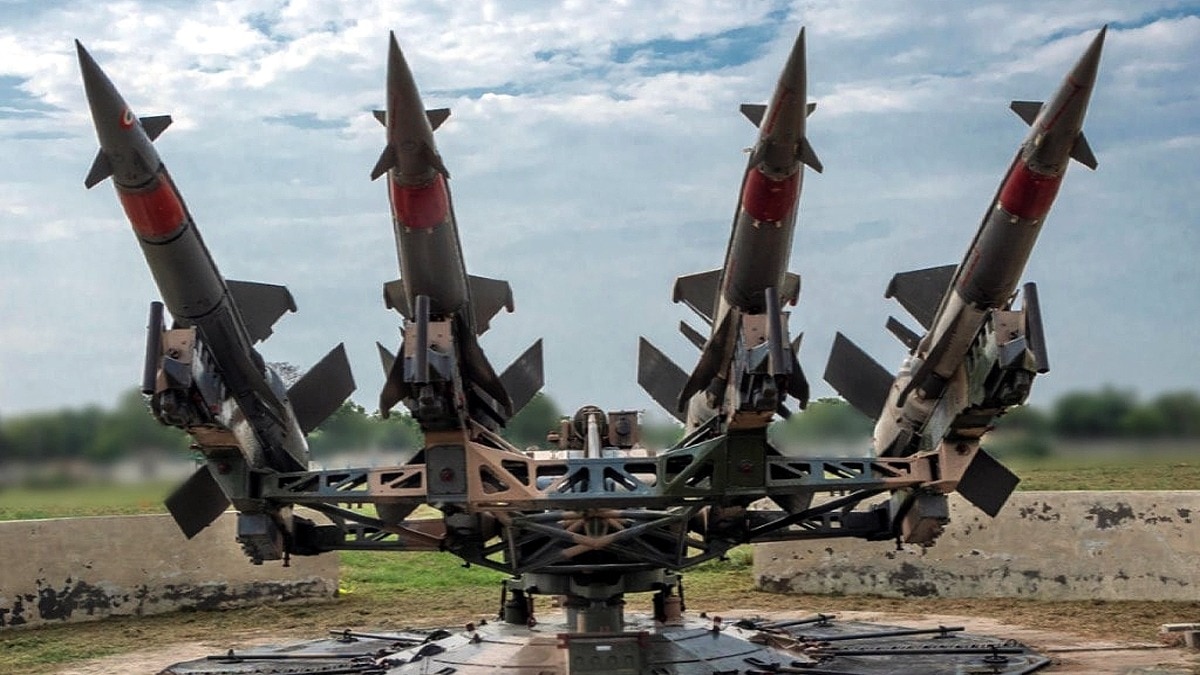
Russia is moving forward with plans to enhance its legacy Pechora S-125 air defence system by converting it into a mobile platform, military analysts said, reviving a weapons system that gained international attention nearly a quarter-century ago.
The Soviet-era Pechora S-125, also known by its NATO designation SA-3 Goa, became historically significant when a Serbian air defence unit operating the system successfully struck a US F-117 Nighthawk stealth fighter during NATO's 1999 air campaign over the Balkans. The incident challenged assumptions about stealth aircraft invulnerability and demonstrated the effectiveness of older radar systems when deployed with tactical acumen.
The modernization effort reflects Moscow's strategy of extracting continued utility from Cold War-era defence platforms by enhancing their mobility and operational flexibility. Mobile variants would allow the systems greater survivability and deployment flexibility compared to their stationary counterparts.
Defence analysts point to Russia's experience in recent conflicts as a primary driver for the upgrade programme. The enhanced mobility could prove advantageous in contested environments where air defence systems face threats from precision strikes and reconnaissance assets.
India, which operates its own inventory of Pechora systems acquired during the Soviet era, may face similar considerations regarding modernization of legacy air defence assets as it evaluates options for enhancing its existing defence infrastructure.