World · World News Bureau
Russia's Central Asian Alliance Faces Mounting Pressure as Members Seek Alternatives
A Moscow summit of the Collective Security Treaty Organization underscores the declining influence of Russia's post-Soviet military bloc, as member states increasingly pursue independent strategic partnerships. Armenia's divergence from the alliance signals deeper fractures within the organization's cohesion.
LSN World News ·
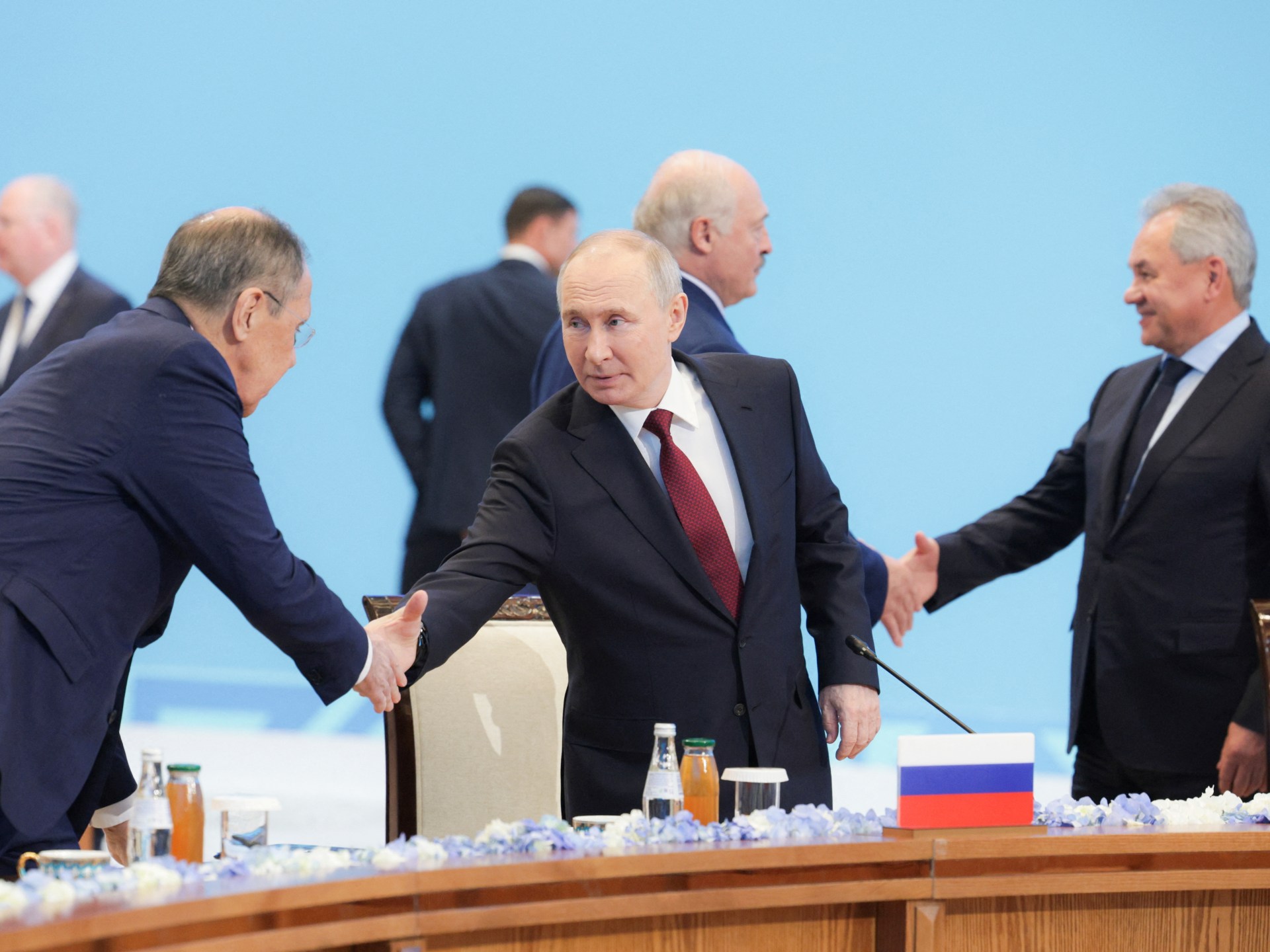
Russia's attempt to reinforce its security alliance with former Soviet republics is being tested by widening cracks within the Collective Security Treaty Organization, as member nations reassess their geopolitical alignments. The bloc, which has served as Moscow's primary mechanism for maintaining influence across Central Asia and the Caucasus, faces a critical juncture as traditional members explore alternative partnerships and security frameworks.
Armenia's growing estrangement from the CSTO exemplifies the alliance's predicament. The South Caucasus nation has increasingly tilted toward independent diplomacy and partnerships beyond the Russian-led bloc, reflecting frustration with Moscow's military support and broader strategic calculations. This shift mirrors broader trends across the organization, where member states from Kazakhstan to Kyrgyzstan are hedging their bets through multilateral engagements with other regional powers and Western nations.
The Kremlin's declining ability to maintain exclusive relationships with its former sphere of influence stems from multiple factors: Russia's preoccupation with its Ukraine conflict, the military and economic constraints it now faces, and the growing assertiveness of Central Asian states in pursuing independent foreign policies. Member nations are increasingly confident in diversifying their security partnerships rather than remaining dependent on Moscow's security guarantees.
The Moscow summit serves as a barometer of the CSTO's future relevance. Without substantive steps to address members' concerns and demonstrate tangible security benefits, the organization risks further erosion as states continue seeking alternative regional and international partnerships.