World · World News Bureau
Russia's European tactics reshape geopolitical landscape across Asia
Moscow's hybrid warfare strategies in Europe are triggering strategic recalculations among Asian nations, as regional powers reassess security threats and diplomatic alignments. The fallout extends from energy markets to military posturing across the continent.
LSN World News ·
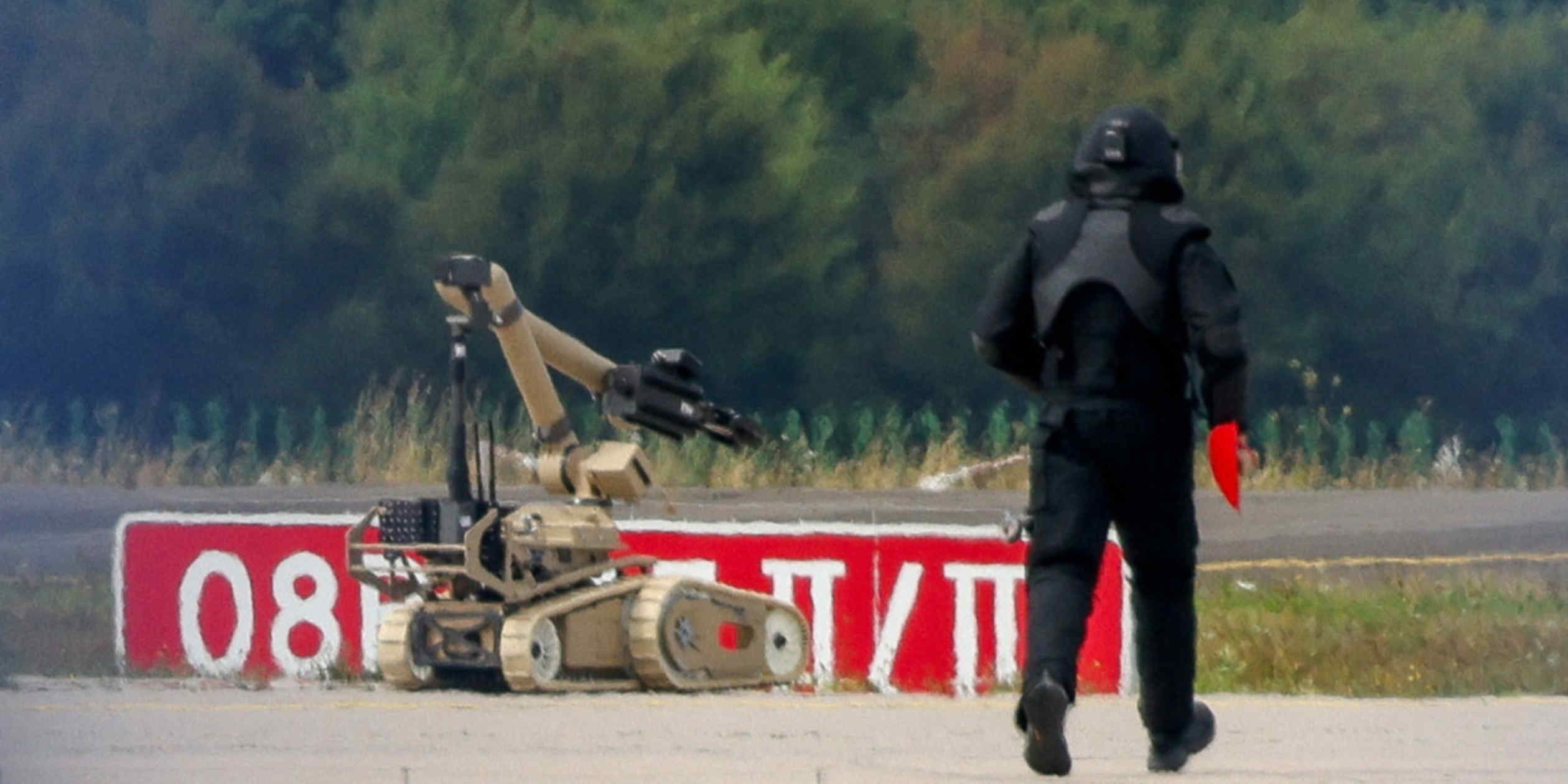
Russia's multifaceted approach to conflict in Europe—encompassing military operations, economic coercion, disinformation campaigns, and cyber attacks—is reverberating through Asia's security architecture. Regional governments are closely monitoring these tactics as potential templates for future instability, prompting defense reviews and alliance reconsideration across the continent.
Energy markets have emerged as a critical pressure point. Asian nations heavily dependent on energy imports are navigating supply disruptions and price volatility triggered by European sanctions and Russian countermeasures. Countries including India, Southeast Asian states, and Japan face complex calculations balancing economic interests with geopolitical positioning, as traditional energy relationships undergo restructuring.
Military planners across Asia are drawing lessons from Russia's operational methods, including the use of unmanned systems, information warfare, and asymmetric tactics. This has accelerated defense modernization programs and prompted closer security cooperation among regional allies concerned about similar hybrid threats in their own theaters.
The geopolitical realignment also affects Asian nations' relationships with Western powers. Some countries are reassessing their non-aligned positioning, while others are strengthening partnerships with regional security organizations. The broader message—that traditional concepts of sovereignty and international law face new challenges—has prompted strategic reviews from Tokyo to New Delhi to Southeast Asia's capitals.