World · Bangladesh Bureau
Russia's Ukraine blockade threatens global food security, warns analysts
Disruptions to grain exports from the Black Sea region pose serious risks to food-dependent nations worldwide, including Bangladesh. Experts say the crisis underscores the need for diversified supply chains and domestic agricultural investment.
LSN Bangladesh ·
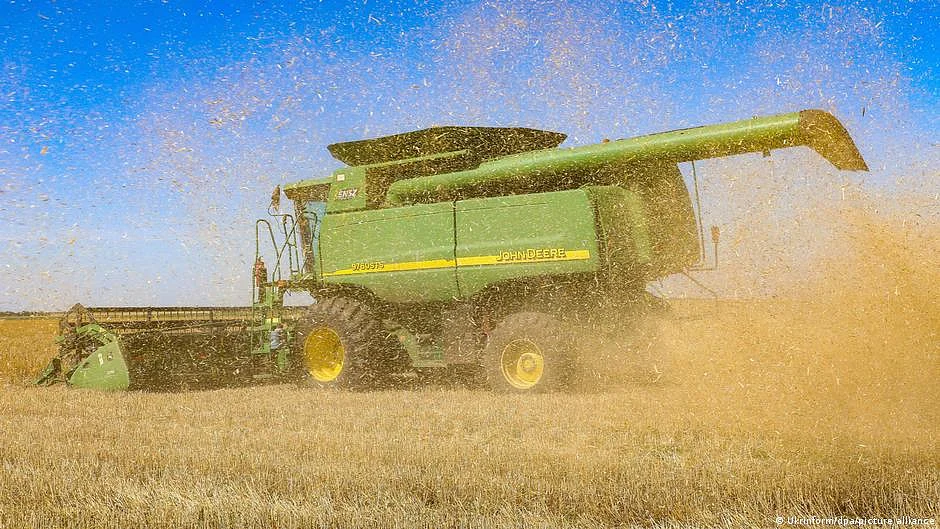
The Russian military blockade of Ukrainian ports has severely restricted global grain supplies, creating ripple effects across international food markets. With Ukraine and Russia together accounting for roughly 30 percent of global wheat exports, the supply shock has driven prices upward and raised concerns about accessibility for import-dependent countries.
Bangladesh, which relies heavily on imported grains to feed its 170 million-strong population, faces particular vulnerability to such disruptions. Rice remains the staple, but wheat imports are essential for ensuring food security across the nation. Rising commodity prices directly impact domestic inflation and the purchasing power of lower-income households.
Industry observers have pointed to the blockade as a stark reminder of the risks inherent in concentrated supply chains. Several nations have responded by prioritizing domestic agricultural production, improving storage infrastructure, and exploring alternative trade routes. Policymakers across South Asia have begun reassessing their food security strategies in light of global market volatility.
Experts recommend that Bangladesh strengthen its agricultural sector through investment in modern farming techniques, irrigation systems, and crop diversification. Building strategic grain reserves and fostering regional trade relationships could also provide cushion against future shocks. The crisis underscores how geopolitical tensions thousands of miles away can directly affect food availability and prices for ordinary citizens in South Asia.