Politics · India Bureau
Russia trims social spending as military costs and debt servicing surge
Russia is cutting budgets for education and healthcare as military expenditure reaches record levels, while rising interest rates push debt-servicing costs to unprecedented highs. The fiscal squeeze reflects mounting pressure on government finances as the Kremlin grapples with dual challenges of sustained war spending and ballooning borrowing costs.
LSN India ·
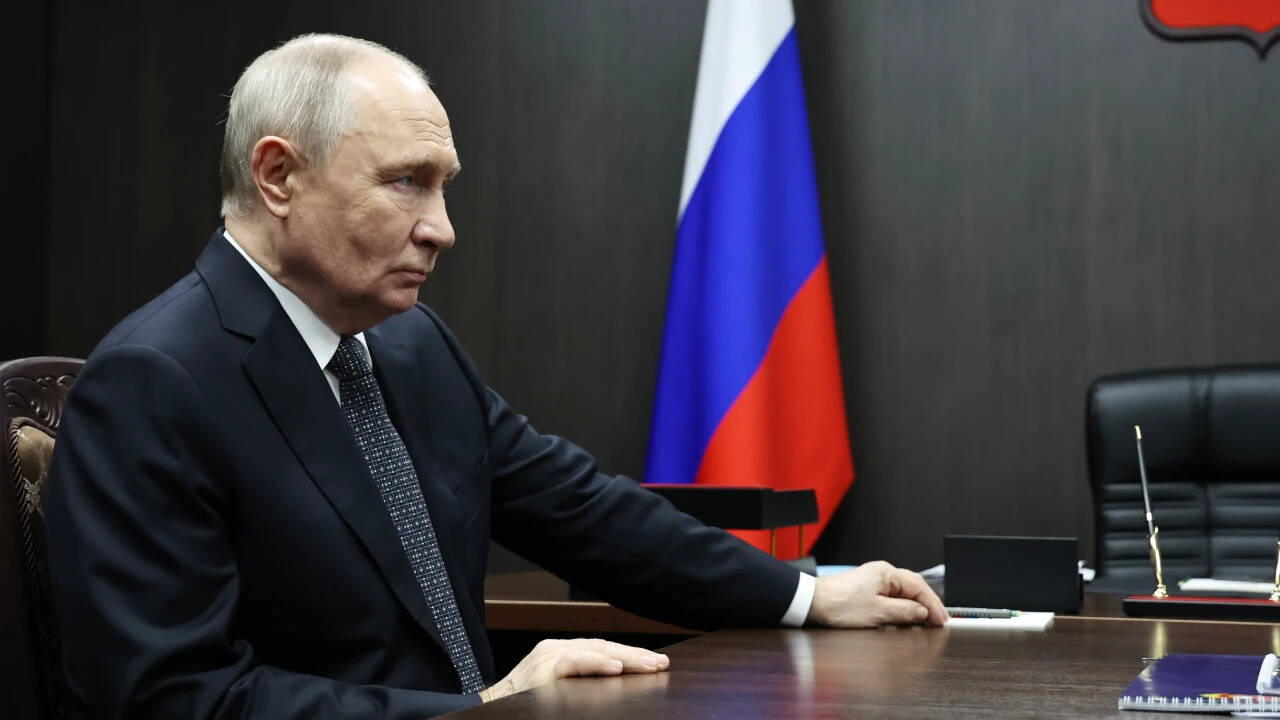
Russia's government finances face mounting strain as defence outlays climb to new peaks, forcing authorities to reduce allocations for public services. Budget cuts to education and healthcare have become necessary as the state redirects resources toward military operations, underscoring the economic toll of sustained conflict.
The fiscal burden extends beyond defence expenditure. Debt-servicing costs have emerged as a significant drain on the federal budget, driven by elevated interest rates that substantially increase borrowing expenses. Russian officials project debt servicing will consume 9.4 per cent of total government spending in 2027, a figure 21.6 per cent higher than originally budgeted.
The situation appears likely to worsen in coming years. Projections indicate debt-servicing costs could rise further to 10.6 per cent of total government spending by 2029, reflecting both accumulated borrowing and persistently high interest rates. This trajectory suggests sustained pressure on social spending programmes as financial commitments to debt repayment expand.
The concurrent pressures of military expenditure and rising debt costs have forced Russian policymakers into difficult trade-offs, with public services bearing the brunt of budget consolidation. Analysts note that this combination of factors reflects deepening constraints on fiscal flexibility within the Russian economy.