Politics · World News Bureau
Russian elections serve dual purpose as legitimacy tool and feedback mechanism
Moscow's parliamentary voting processes extend beyond symbolic gestures, functioning as critical instruments for regime consolidation and public engagement. The Kremlin views electoral cycles as essential channels for gauging popular sentiment while reinforcing political stability.
LSN World News ·
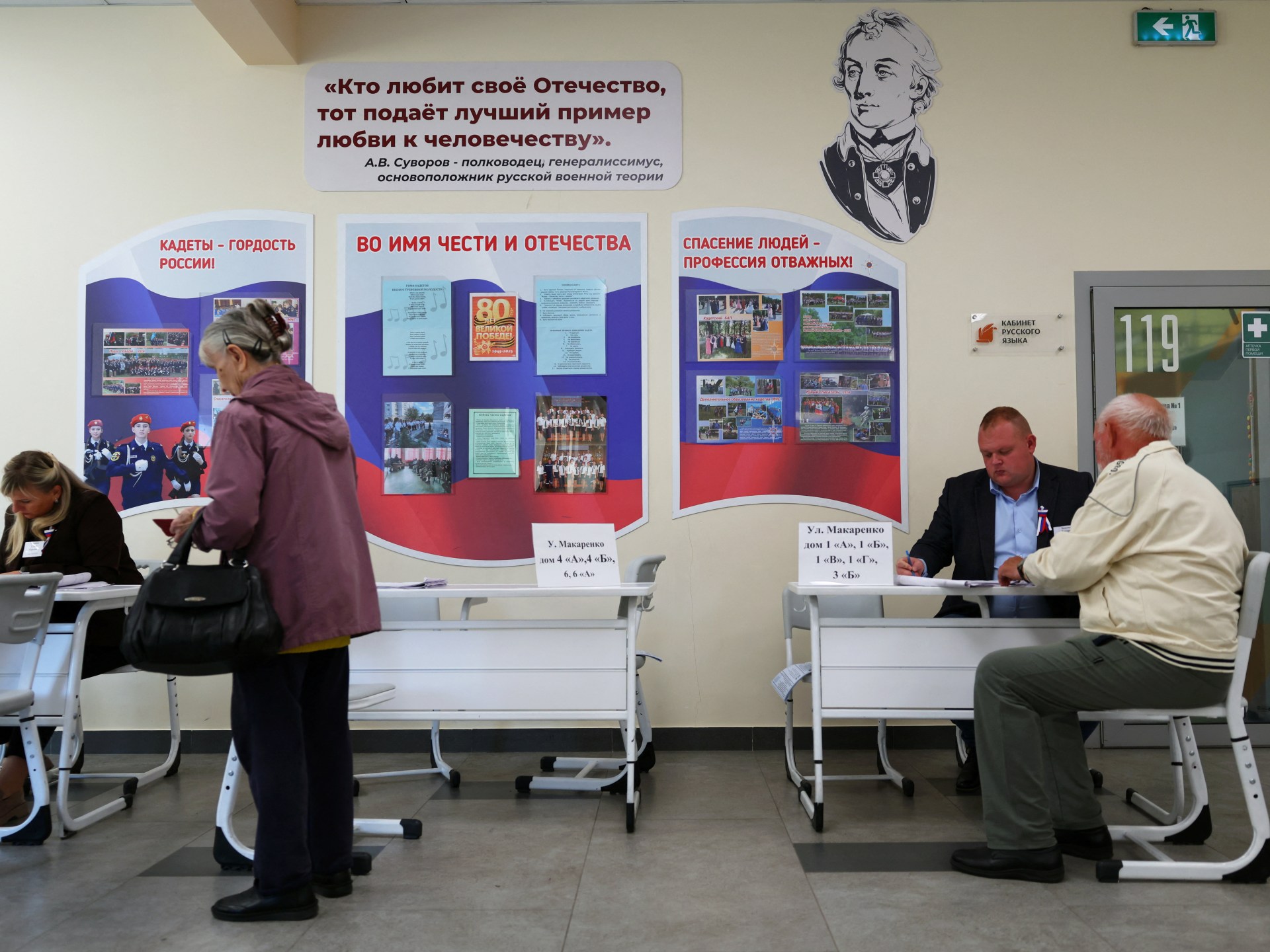
Russia's approach to parliamentary elections reflects a sophisticated understanding of political management that transcends conventional democratic frameworks. Rather than serving primarily as mechanisms for genuine power transfers, these electoral processes operate as carefully calibrated instruments through which the Kremlin maintains legitimacy and gathers strategic information about public opinion.
The Russian government has developed a system where elections provide measurable feedback on governance effectiveness and regional satisfaction levels. Through electoral participation patterns, turnout figures, and constituency results, Moscow's leadership receives granular data on how policies resonate across different demographics and geographic areas. This information feeds back into policymaking cycles, allowing for tactical adjustments that address emerging discontent before it crystallizes into organized opposition.
Parallel to this feedback function, elections serve a legitimizing purpose domestically and internationally. Parliamentary cycles create institutional frameworks through which ordinary citizens can participate in formal political processes, generating a sense of stakeholder involvement in governance. This participatory dimension, however constrained, addresses psychological needs for representation while channeling civic engagement into state-approved structures.
The electoral framework also enables the Kremlin to demonstrate institutional continuity and procedural regularity—elements that bolster claims of political stability during periods of international tension or internal pressure. By maintaining regular voting cycles and parliamentary procedures, Moscow projects an image of orderly governance, distinguishing its model from more overtly authoritarian systems while maintaining centralized control over political outcomes.