World · India Bureau
Russian satellites may have aided Houthi attacks on Saudi Arabia, analysis suggests
A private intelligence firm has raised allegations that Russian orbital reconnaissance assets provided precise location data on Saudi military and strategic installations to Iran, which subsequently shared the information with Houthi militants. The claim suggests Moscow may have indirectly facilitated recent coordinated attacks against the kingdom.
LSN India ·
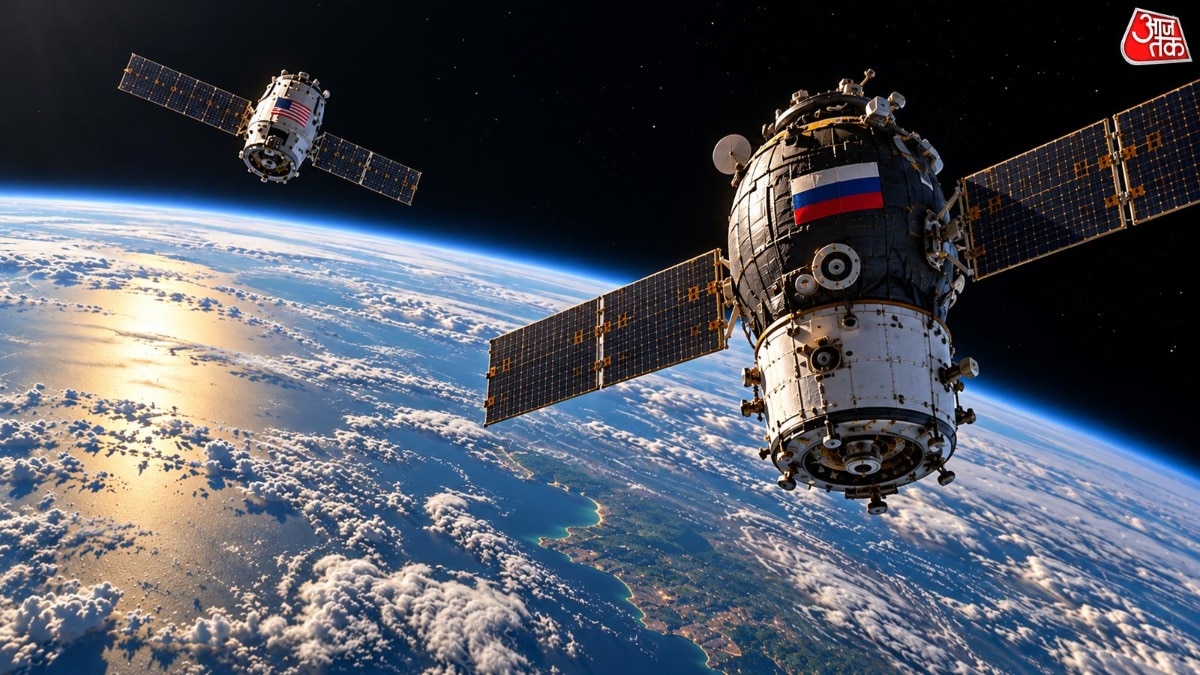
A private sector analysis of Russian satellite positioning has sparked fresh allegations of Moscow's involvement in facilitating attacks on Saudi Arabian military and strategic targets by Iran-backed Houthi forces. The assessment, which tracked orbital patterns of Russian reconnaissance satellites, suggests the assets provided precise geolocation data on key Saudi installations to Tehran, which then disseminated the coordinates to its regional allies. The allegation comes amid an escalating pattern of coordinated strikes against Saudi Arabia attributed to Houthi militants operating from Yemen.
According to the private firm's analysis, Russian orbital assets were positioned over sensitive Saudi military and strategic locations at critical junctures, raising questions about deliberate intelligence sharing between Moscow and Tehran. The alleged transfer of targeting data represents a significant escalation in the indirect involvement of major powers in the ongoing Saudi-Houthi conflict that has destabilized the region.
The claims underscore deepening geopolitical tensions in the Middle East, with Russia's alleged role potentially complicating diplomatic efforts to contain the conflict. Saudi Arabia and its regional partners have previously accused Iran of arming and directing Houthi operations, though Tehran denies direct involvement. The new allegations, if substantiated, would represent a notable shift in the conflict's international dimensions.
The incident reflects broader patterns of proxy warfare and intelligence operations in the region, where major powers leverage satellite technology and intelligence networks to influence ground-level military dynamics. Analysts note that such coordination would require significant operational coordination between Moscow and Tehran at a time of strengthening bilateral ties between the two nations.