Sport · India Bureau
Russian talent faces global exclusion amid geopolitical tensions
Russian athletes, artists and academics are being systematically barred from international competitions, cultural events and academic forums due to geopolitical tensions. The widespread exclusions have created a notable brain drain as Russian professionals seek opportunities abroad.
LSN India ·
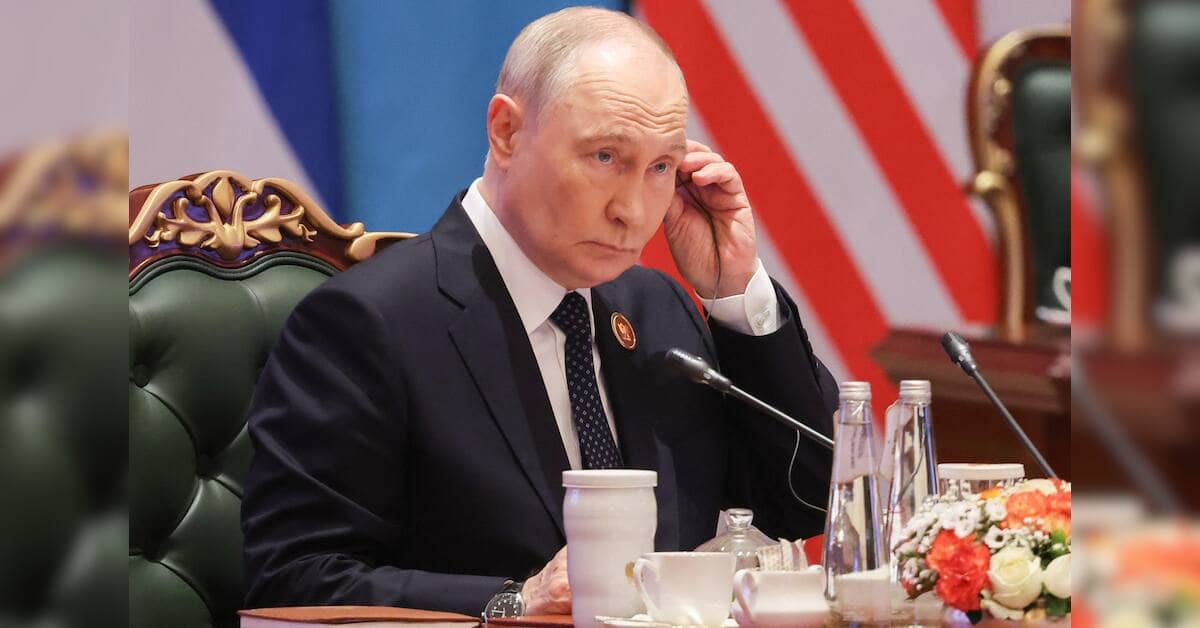
Russian citizens working in sports, arts and academia are encountering unprecedented barriers to international participation as geopolitical tensions reshape global engagement with Moscow. Athletes have been excluded from major international competitions, while artists and performers find themselves unwelcome at prestigious cultural platforms and festivals that were previously accessible to them.
The pattern extends to scholarly circles, where Russian academics report difficulties in securing invitations to international conferences, research collaborations and academic institutions. Universities and research bodies worldwide have imposed restrictions that effectively isolate Russian scholars from the global academic community, complicating their professional advancement and research partnerships.
These exclusions have prompted a broader diaspora, with many Russian professionals seeking opportunities in countries with less restrictive stances toward Russian citizens. The talent drain reflects a broader consequence of international isolation, affecting fields ranging from classical music and ballet to physics and mathematics, where Russian expertise has historically held considerable weight.
International sports bodies, cultural organisations and academic institutions have cited various grounds for the restrictions, citing associations with geopolitical actors. The cumulative effect has transformed what were previously routine channels for professional achievement and international exchange into increasingly difficult pathways for Russian nationals attempting to maintain global careers.
The situation underscores how geopolitical tensions extend beyond formal diplomatic channels to reshape access and opportunity across civil society, affecting individual professionals regardless of their personal political positions or affiliations.