World · India Bureau
Rwandan Scientists Develop Plastic Waste Tiles Using Natural Sisal Fiber
Researchers in Rwanda have created a sustainable building material by transforming plastic waste into durable tiles reinforced with sisal fiber. The innovation addresses both waste management and construction material needs in the region.
LSN India ·
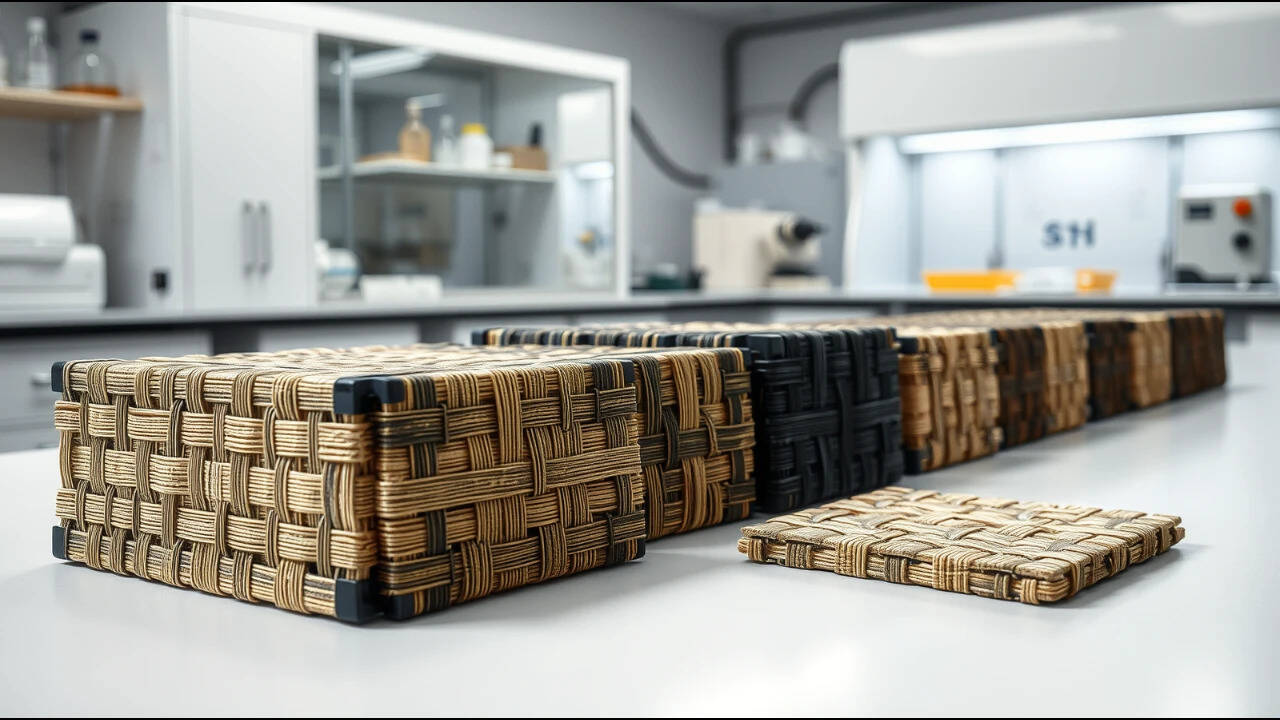
Scientists in Rwanda have developed an innovative solution to combat plastic pollution by converting waste plastic into reinforced construction tiles. The new material incorporates sisal fiber, a natural plant-based reinforcement, to enhance durability and structural integrity.
The tiles represent a dual-benefit approach to environmental challenges prevalent across South and Southeast Asia, where plastic waste management and affordable building materials remain pressing concerns. By utilizing locally available sisal plants alongside plastic waste streams, the technology offers a scalable solution with minimal resource requirements.
The composite material combines recycled plastic with sisal fiber reinforcement to create tiles suitable for various construction applications. Early results indicate the tiles demonstrate improved strength compared to conventional plastic-based alternatives, while maintaining cost-effectiveness in production.
The development aligns with growing regional efforts to transform waste materials into valuable construction products. Similar initiatives across South Asia have demonstrated the economic and environmental viability of plastic recycling in building materials, supporting circular economy principles.
Researchers indicate the technology could be adapted for broader application across different geographic regions facing comparable waste management and infrastructure challenges. The initiative underscores the potential for African innovations to address pressing development needs applicable throughout Asia's growing economies.