Business · Sri Lanka Bureau
SAARC's unfulfilled potential: Why South Asian unity stalled
Despite possessing substantial markets, population and geographic advantages, South Asia has failed to harness regional cooperation effectively. Political rivalries and structural challenges have hindered SAARC's development compared to successful integration models elsewhere.
LSN Sri Lanka ·
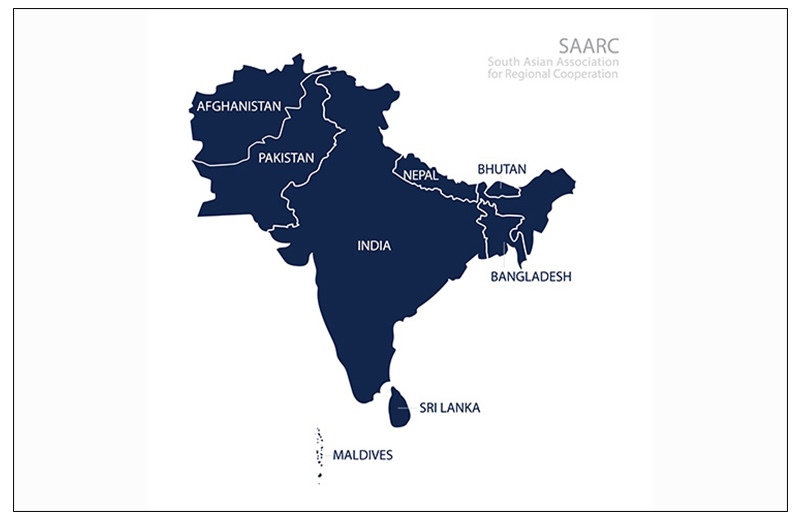
South Asia possesses the fundamental building blocks for a prosperous integrated economic region, yet the South Asian Association for Regional Cooperation (SAARC) has fallen short of its potential, according to analysis presented at the Regional Centre for Strategic Studies in Colombo. The region's combined market size, demographic dividend and geographic positioning should theoretically enable thriving cross-border commerce and development, yet political tensions between member states have persistently undermined collective progress.
The contrast with other regional cooperation frameworks globally has become increasingly stark. While peer regions have leveraged trade agreements, infrastructure connectivity and institutional frameworks to drive shared prosperity, South Asia's record remains comparatively limited. Experts point to deep-rooted bilateral disputes and divergent national interests as primary obstacles to meaningful regional integration.
The SAARC platform, established to foster cooperation across South Asia's eight member states, has seen its effectiveness eroded by periodic tensions and the absence of sustained political will among major stakeholders. Infrastructure development, trade liberalisation and cultural exchanges—cornerstones of successful regional blocs—have advanced only incrementally across South Asia.
Reverting the trajectory would require member states to prioritize collective economic gains over narrow bilateral grievances and commit to institutional strengthening. The region's untapped potential remains a reminder of the opportunities forgone through limited regional cooperation and the structural reforms necessary to unlock South Asia's considerable development prospects.