Politics · Malaysia Bureau
Sabah MP calls for dedicated refugee legislation to prevent mismanagement
A Sabah parliamentarian has highlighted the need for comprehensive statutory frameworks to govern refugee matters, warning that current reliance on administrative directives leaves the system vulnerable to inconsistency and abuse.
LSN Malaysia ·
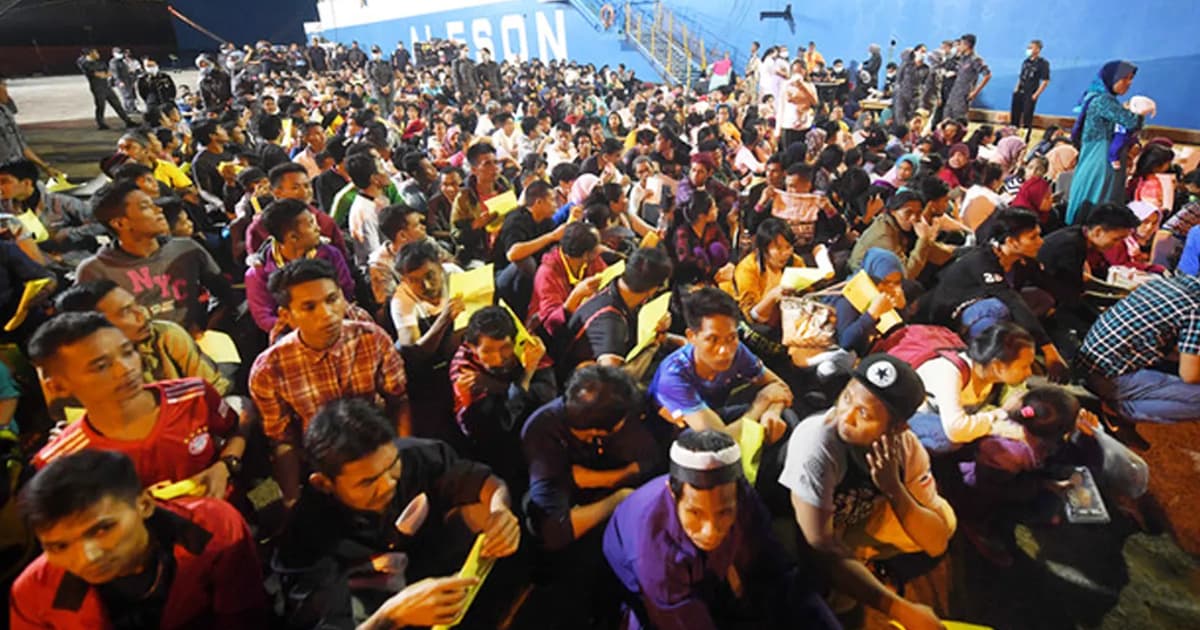
Wilfred Madius Tangau, Member of Parliament for Sabah, has urged the government to enact specific legislation addressing refugee management, citing systemic weaknesses in the current approach. The MP pointed out that existing practices rely heavily on government directives and discretionary powers, creating conditions ripe for potential mismanagement and administrative irregularities.
Tangau warned that the absence of formal legal structures governing refugee affairs has resulted in fragmented coordination between relevant agencies and departments. Without clear statutory guidelines, he argued, decision-making processes lack transparency and consistency, potentially exposing vulnerable populations to exploitation and neglect.
The parliamentarian's remarks underscore growing concerns about how Malaysia handles its refugee population, particularly in Sabah, which hosts one of the country's largest concentrations of asylum seekers and undocumented migrants. Rights advocates have previously flagged gaps in legal protections and inconsistent application of existing regulations.
Tangau's call for dedicated legislation reflects broader regional discussions on refugee governance. Several Southeast Asian nations have similarly grappled with balancing humanitarian obligations against domestic policy concerns, with legal experts arguing that comprehensive statutory frameworks provide clearer accountability mechanisms and better protection standards.
The proposal comes as Malaysia continues to navigate its international commitments regarding displaced persons, despite not being a signatory to the 1951 Refugee Convention. Establishing dedicated legislation could strengthen institutional capacity and reduce administrative discretion in refugee-related decisions.