World · Malaysia Bureau
Sabah seeks stronger recognition for customary law in national legal system
Sabah's Chief Minister Hajiji Noor has outlined plans to modernize the state's traditional Bumiputera court system while preserving the role of customary officers. The reforms aim to enhance the standing of indigenous legal frameworks within Malaysia's broader judicial structure.
LSN Malaysia ·
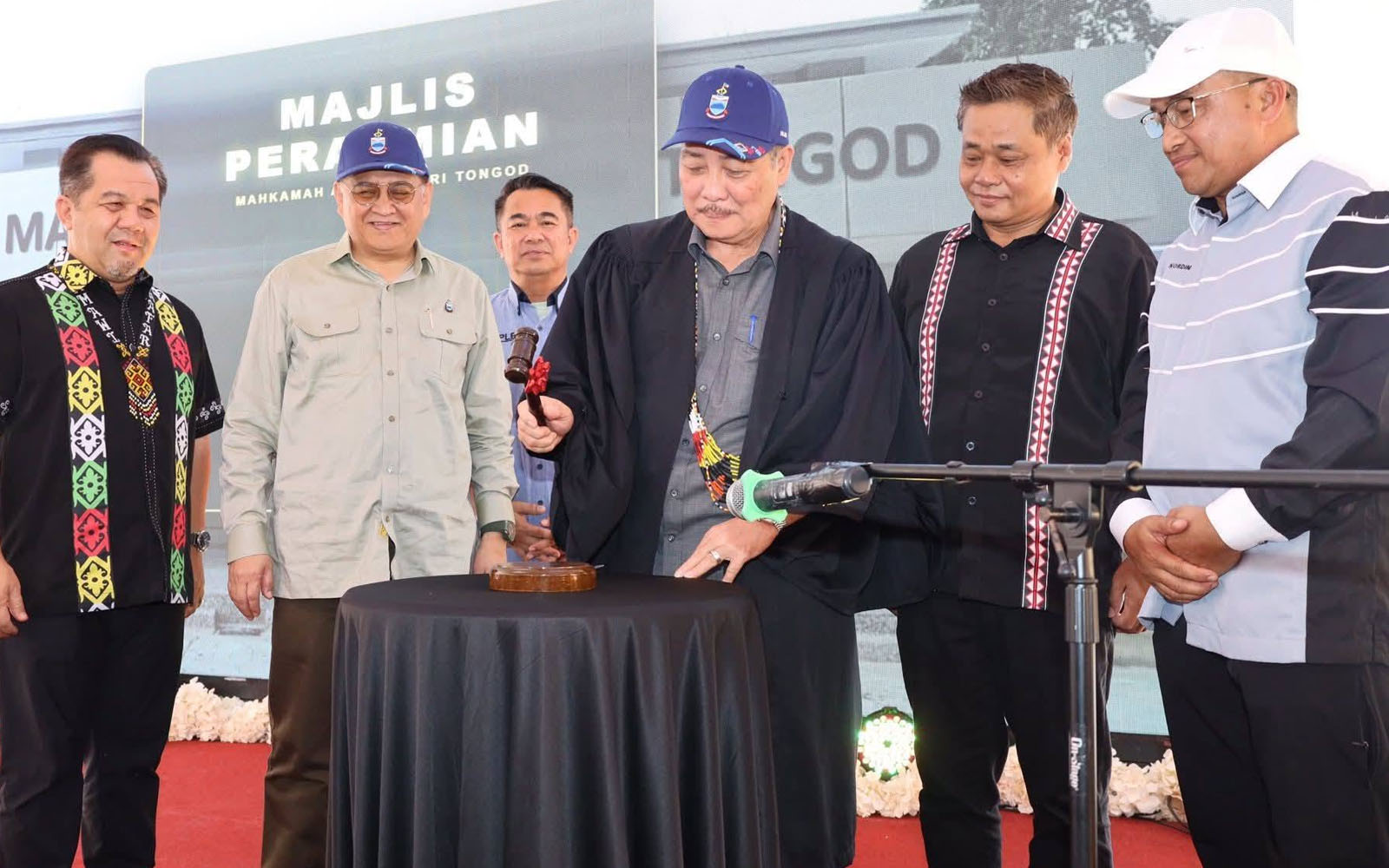
Sabah is pushing for greater integration and recognition of its customary law within the nation's legal system, according to Chief Minister Hajiji Noor. The state government has initiated reforms to the Mahkamah Anak Negeri—the Native Court—with the dual objective of modernizing traditional Bumiputera legal processes while maintaining the authority of customary officers who administer them.
The Chief Minister emphasized that the modernization effort is not intended to sideline or diminish the role of traditional legal practitioners. Instead, the reforms seek to update procedural and administrative aspects of the indigenous court system to align with contemporary governance standards while preserving the cultural and legal significance of customary practices.
The initiative reflects Sabah's broader effort to strengthen the recognition and standing of native law within Malaysia's federal legal framework. By updating the Native Court system, the state aims to demonstrate that traditional legal mechanisms can operate effectively alongside modern governance structures without compromising their cultural integrity or the expertise of customary officers.
The reforms are expected to enhance both the efficiency and legitimacy of Sabah's indigenous legal institutions, potentially serving as a model for how traditional and modern legal systems can coexist within a pluralistic national framework.