World · India Bureau
Sacred soil: Why Bengal's Durga idols incorporate earth from red-light areas
An ancient Bengali tradition holds that soil from brothels carries spiritual merit and purifying properties. The practice reflects complex cultural beliefs about redemption and sanctity in Hindu worship.
LSN India ·
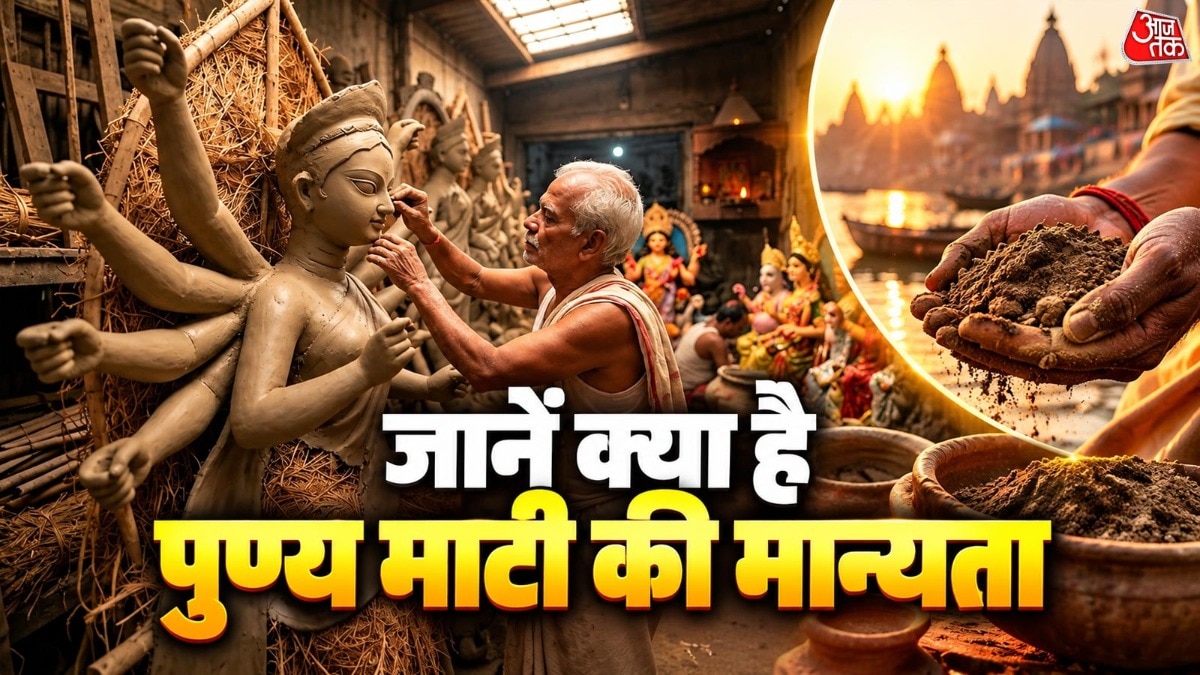
In a distinctive ritual observed across Bengal, artisans crafting idols of Goddess Durga deliberately incorporate soil sourced from red-light districts into the clay mixture. This practice, known locally as 'punya mati' or sacred earth, represents a centuries-old belief system that ascribes redemptive spiritual value to material from these marginalized spaces.
According to traditional Hindu philosophy underlying the custom, the earth from brothels is believed to possess purifying and merit-generating qualities. Devotees and idol makers contend that the suffering and prayers of residents in these areas imbue the soil with spiritual significance. By incorporating this earth into sacred idols, practitioners assert they are channeling this accumulated spiritual energy into objects of worship.
The tradition carries deeper cultural implications regarding notions of purity, redemption, and social hierarchy in Hindu practice. By deliberately selecting soil from socially stigmatized locations, the ritual symbolically elevates and sanctifies spaces and individuals often marginalized by society. The practice demonstrates how folk religious traditions can contest conventional hierarchies of sacred and profane.
While the custom remains primarily confined to Bengal's idol-making communities, particularly in Kolkata and surrounding regions, it has drawn renewed attention in recent years as scholars examine the intersection of devotional practice and social commentary. The tradition endures as a unique example of how regional worship practices embed complex theological and social meanings within ritual acts.