Sport · Sri Lanka Bureau
Safeguarding Anuradhapura's Heritage as Buddhist Centre
Anuradhapura, Sri Lanka's ancient capital and once the intellectual heart of Asian Buddhism, faces ongoing challenges in preserving its spiritual and historical significance. The sacred city, where Buddhism was introduced to the island in the 3rd century BCE, requires sustained efforts to protect its legacy.
LSN Sri Lanka ·
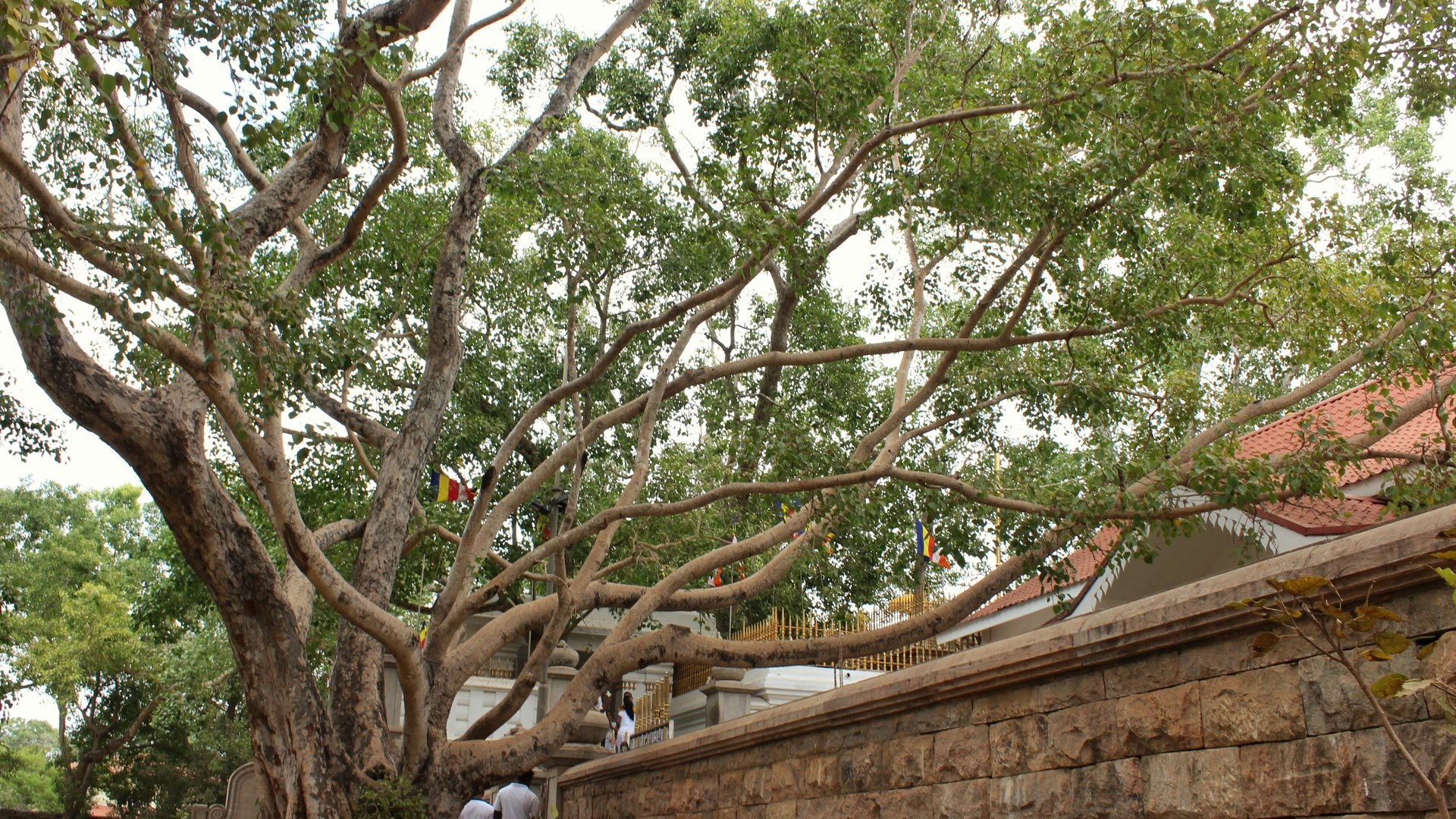
Anuradhapura holds unparalleled importance in the history of Sri Lankan Buddhism and Asian religious thought. The city received Buddhism in 247 BCE when Arahant Mahinda, son of Indian Emperor Asoka, arrived with a sapling of the sacred Bodhi tree. This pivotal moment transformed the island's spiritual landscape and established Anuradhapura as a centre of Buddhist learning and practice.
For nearly fifteen centuries, Anuradhapura served as Sri Lanka's capital and the primary seat of Theravada Buddhism across Asia. During this period, the city witnessed remarkable intellectual and cultural achievements, with scholars, monks, and craftspeople contributing to advances in architecture, literature, and religious scholarship. The ancient kingdom developed sophisticated systems of governance, irrigation, and urban planning that reflected its prosperity and stability.
Today, Anuradhapura remains a repository of invaluable Buddhist heritage, containing numerous dagobas, monasteries, and archaeological sites that bear testimony to its glorious past. Protecting this ancient city requires comprehensive conservation strategies, including archaeological research, restoration of monuments, and measures to balance development with heritage preservation. Stakeholders emphasize the importance of maintaining Anuradhapura's character as a place of spiritual significance while ensuring sustainable management of the site for future generations.
Photo: The sacred Jaya Sri Maha Bodhi tree in Anuradhapura, Sri Lanka, August 2018. Hirushini Dematagoda via Wikimedia Commons (CC BY-SA 4.0).