World · Singapore Bureau
Safety operators prove critical to autonomous vehicle deployment success
As self-driving technology advances, human safety operators remain essential to autonomous vehicle operations, monitoring systems and intervening when necessary. Industry experts say the role is crucial to building public confidence and ensuring safe deployment of driverless fleets.
LSN Singapore ·
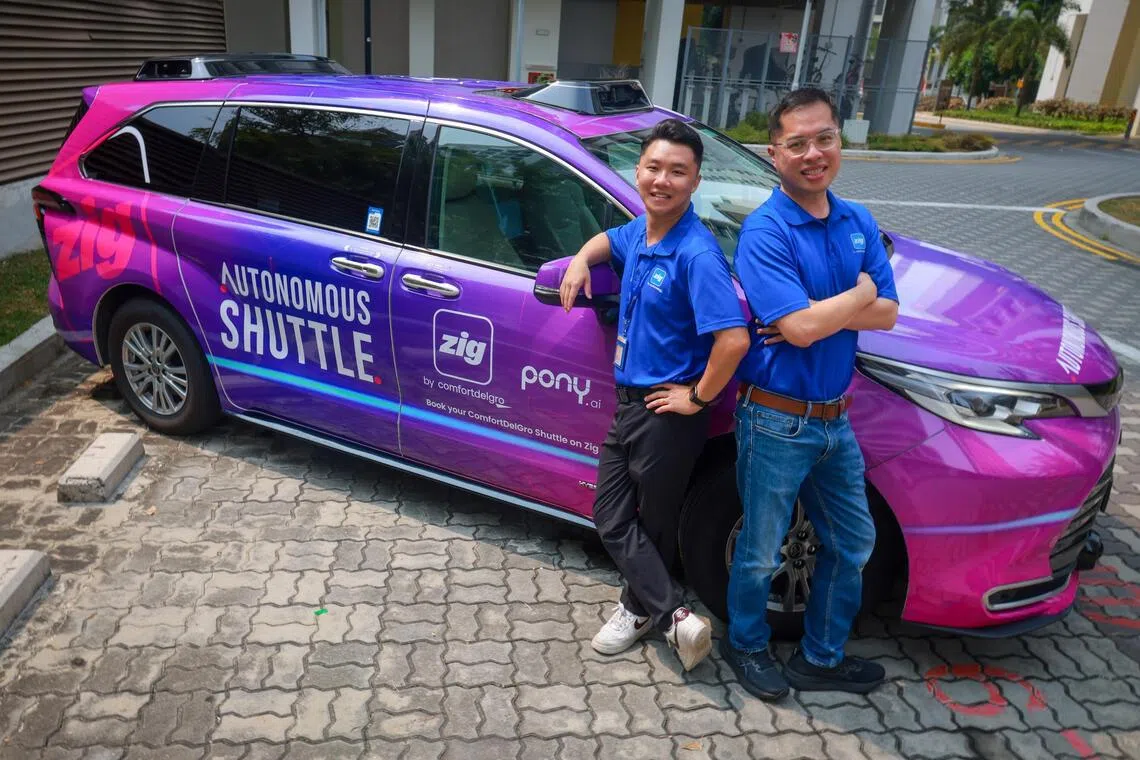
While autonomous vehicles promise hands-free driving, the technology still requires vigilant human supervision to function safely and reliably. Safety operators—trained professionals who monitor vehicle systems and remain ready to take control—have emerged as a linchpin in the successful rollout of self-driving fleets across Asia and beyond.
These operators must maintain heightened alertness throughout journeys, watching for edge cases, system failures, or unusual traffic conditions that autonomous systems may struggle to navigate. Their presence addresses a critical gap between current artificial intelligence capabilities and the complex, unpredictable nature of real-world driving environments. Industry assessments indicate that safety operators significantly reduce accident rates and liability exposure during the transition toward fully autonomous systems.
For ride-hailing and freight companies deploying self-driving vehicles, investing in well-trained safety personnel has become standard practice. The role demands technical knowledge, situational awareness, and the ability to make split-second decisions—qualities that purely automated systems have yet to reliably replicate. Companies operating autonomous fleets in Southeast Asia report that operator vigilance has helped establish safety records comparable to or better than human-driven alternatives.
As autonomous vehicle technology matures, the role of safety operators is expected to evolve rather than disappear entirely. Industry stakeholders emphasize that human oversight will remain necessary for years to come, particularly in high-traffic urban environments and during inclement weather. The partnership between artificial intelligence and human judgment appears likely to define the next phase of transportation innovation in the region.