Culture & Entertainment · Philippines Bureau
Sagada's ancient fire ritual honors the dead ahead of All Saints' Day
The mountain town of Sagada in Mountain Province keeps alive the pre-Hispanic tradition of 'Panag-aapoy,' a ceremonial fire lighting held in the days before All Saints' Day. The ritual reflects the region's deep-rooted indigenous practices and cultural heritage.
LSN Philippines ·
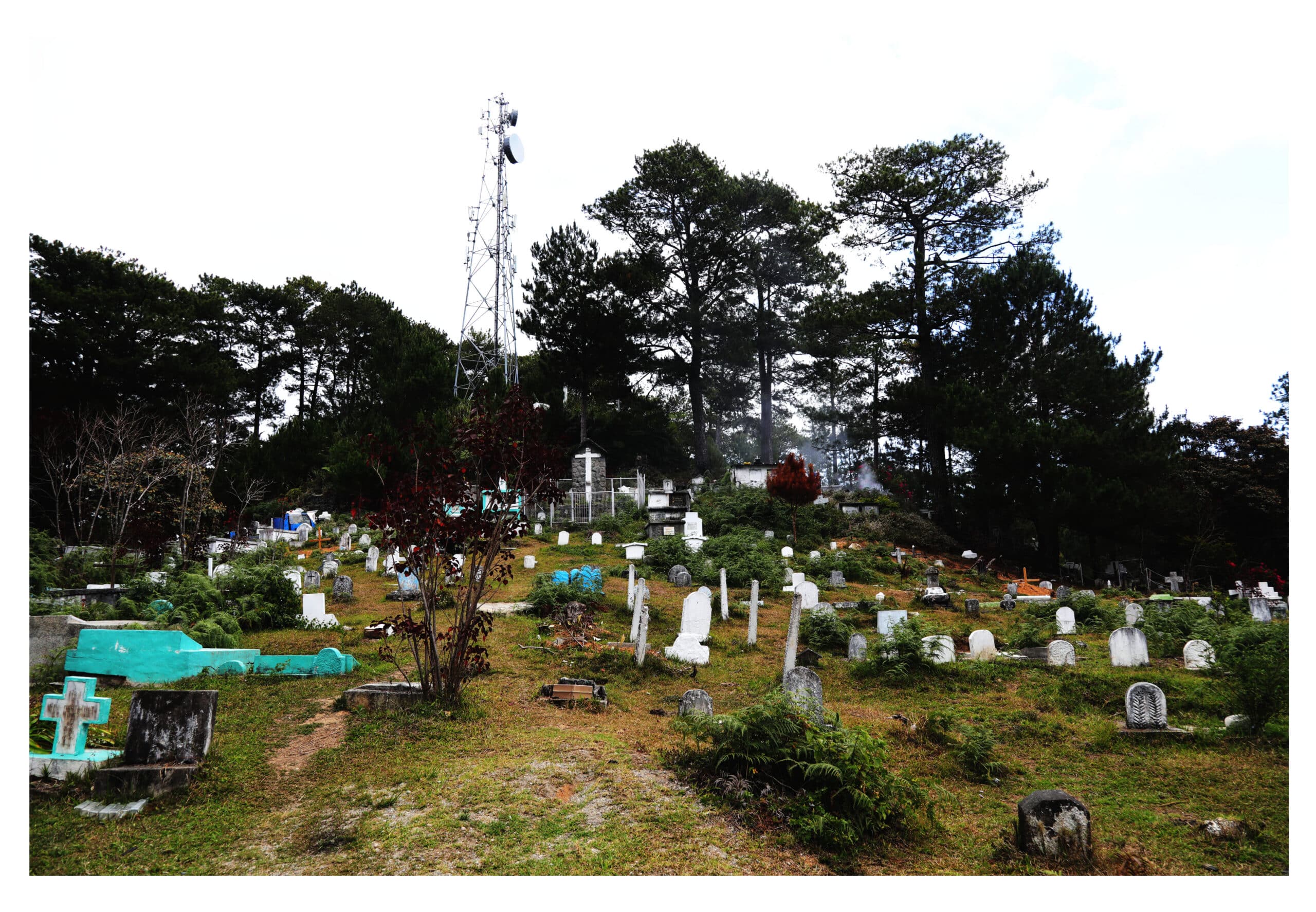
SAGADA, Mountain Province — High in the Cordillera mountains, the town of Sagada maintains an ancient tradition that bridges the living and the dead through flame and remembrance. Known locally as 'Panag-aapoy,' the ritual involves lighting fires on a hillside in the days preceding All Saints' Day, continuing customs that predate Spanish colonial influence in the Philippines.
The practice, also referred to as 'Begnas' in the Sagada dialect, draws community members who gather to honor deceased family members and townspeople. The ceremonial fires illuminate the landscape as families pay respects to those who have passed, making it one of the region's most distinctive cultural observances.
For residents of Sagada, the ritual represents more than mere tradition—it embodies the town's commitment to preserving indigenous Igorot practices amid rapid modernization. The fires serve as a visible testament to how Mountain Province communities have woven pre-colonial customs into their contemporary spiritual calendar.
The Panag-aapoy gathering attracts both locals and cultural enthusiasts seeking to understand the authentic practices of the Cordillera region. As All Saints' Day approaches each year, Sagada's hillsides come alive with the glow of these ancestral fires, creating a poignant annual reminder of the town's living heritage.